How We Think About a “Full Menu”
A full menu isn’t about offering more dishes. It’s about covering more situations. People don’t arrive hungry in the same way every time, and a menu that works has to account for that. Some meals are planned, others are last-minute. Some are shared, others aren’t. Our menu is built to respond to those shifts without needing explanation.
That’s why we don’t see the menu as a list. We see it as a system that guides choices quietly, so ordering never feels heavier than the meal itself.
Built Around Occasions, Not Just Items
People don’t order food in isolation. They order for moments. A quick meal looks different from a family table. A weekday dinner doesn’t behave like a weekend one. The menu reflects that reality.
In practice, that means it supports:
- Individual meals
Straightforward options that don’t require pairing or adjustment.
- Shared tables
Dishes that scale naturally when more plates are involved.
- Mixed preferences
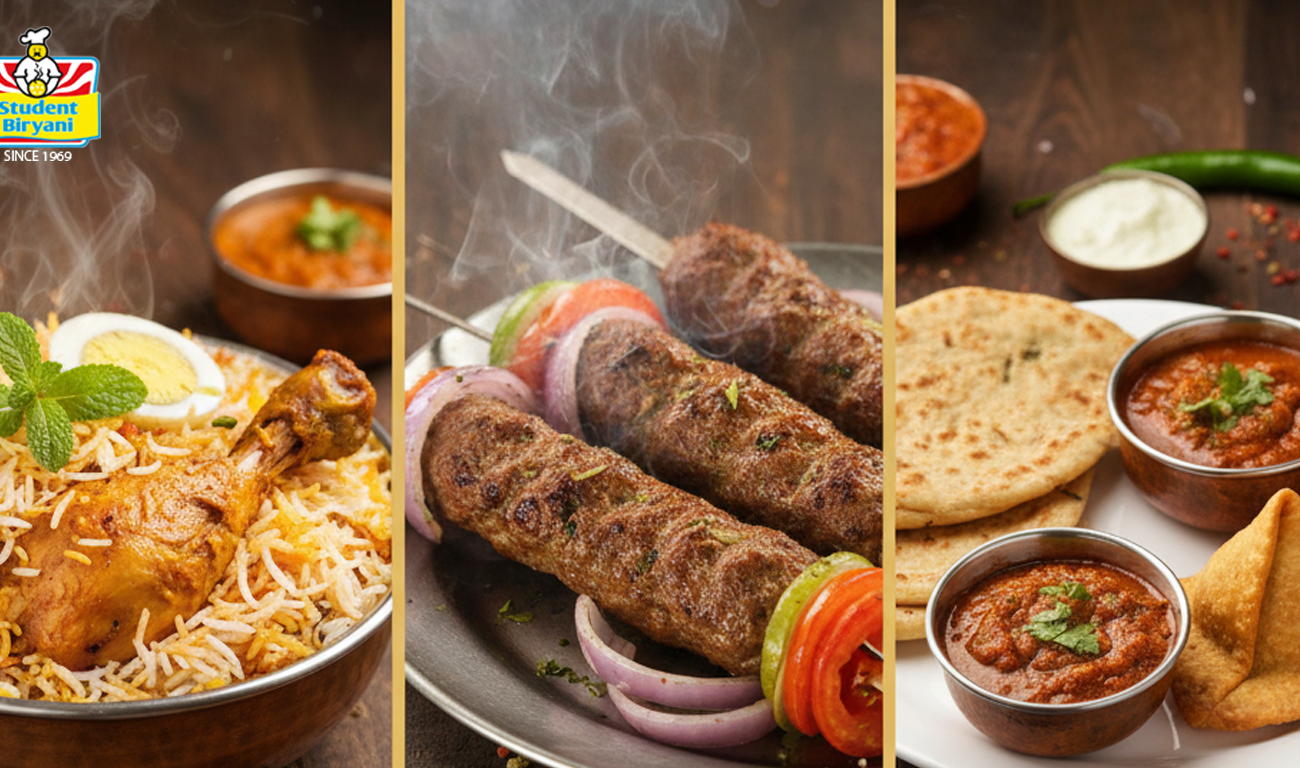
Rice-led meals, bread-based combinations, and lighter pairings that can coexist without conflict.
When a menu is built this way, people don’t need to study it. They recognize where they fit.
Structuring Choice Without Creating Confusion
Too much choice slows people down. Too little makes them compromise. The balance sits somewhere in between, and that balance is deliberate.
The menu is structured to create natural paths. Rice dishes lead one way. Bread and curries lead another. Neither competes with the other, and neither needs justification. This separation helps people order confidently, especially when different preferences share the same table.
What we avoid intentionally is overlap that creates doubt. When dishes are clearly positioned, combinations form on their own.
Adapting to Different Group Sizes
The same menu has to work for one person and for six. That’s not accidental. Portions, combinations, and pacing are planned so meals don’t feel oversized or insufficient as the table grows.
A few principles guide this:
- Dishes should hold up when shared
- Meals should not depend on a single centerpiece
- Ordering should stay flexible, even mid-meal
When these conditions are met, group size stops affecting the experience.
Letting the Menu Do Its Job
A good menu doesn’t draw attention to itself. It supports decisions and then steps back. When people leave knowing what they would order again, the menu has done its job properly.
Our approach stays consistent across the board. Keep the structure clear. Keep the balance intact. Let familiarity do the rest. Anyone who wants a broader view of how this thinking extends across our food can see it reflected throughout the Student Biryani menu as a whole, where choices are meant to feel natural rather than deliberate.
Looking for more menu choices for Ramadan?
Chat With Us on WhatsApp to Place Your Iftar Order