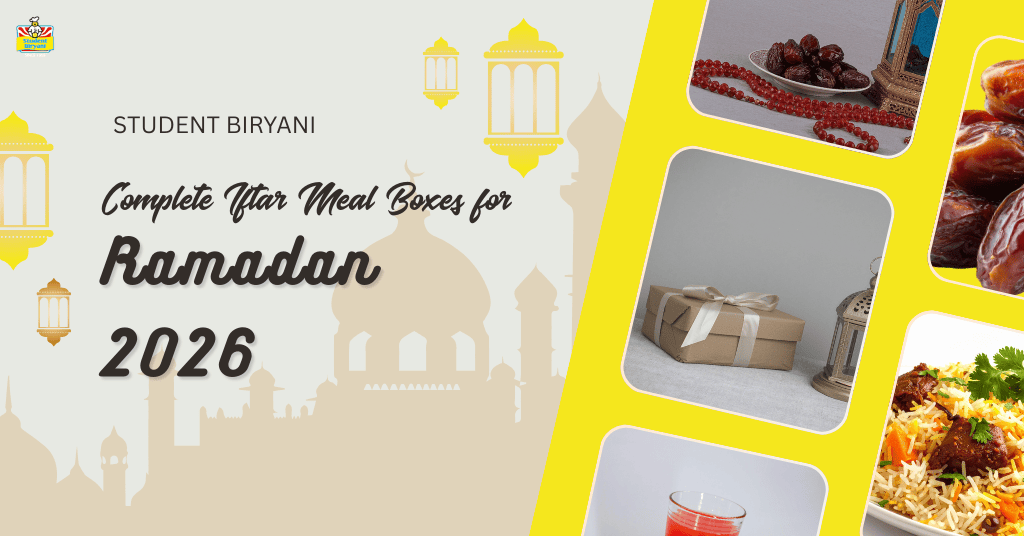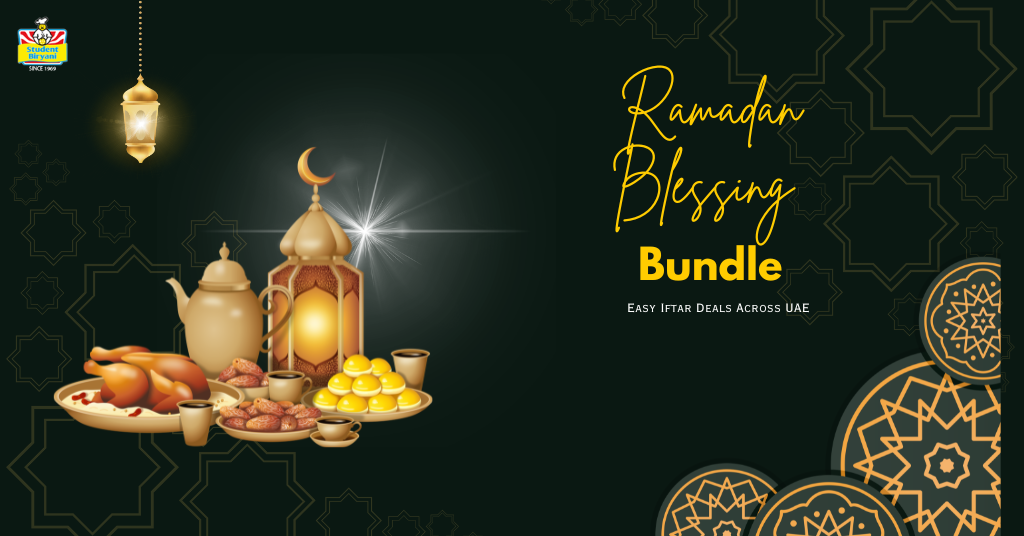
Plates start moving quickly once the call for Maghrib is heard. Dates disappear from the tray first. A few hands reach for pakoras while someone nearby spoons fruit chaat onto a small plate.
Dinner usually follows within minutes. A family gathering after work, colleagues meeting for Iftar, or relatives arriving together often prefer a table that offers several dishes instead of choosing just one. Biryani, curries, kababs, and sweets begin to appear across the table as the evening settles in.
An Iftar buffet fits that moment well. Variety arrives without long decisions, and the table gradually fills the way Ramadan meals often do.
Iftar Starters That Begin the Evening
Most tables start with lighter items before the main dishes arrive. Dates usually come first, followed by small plates that bring a mix of sweet, tangy, and fried snacks.
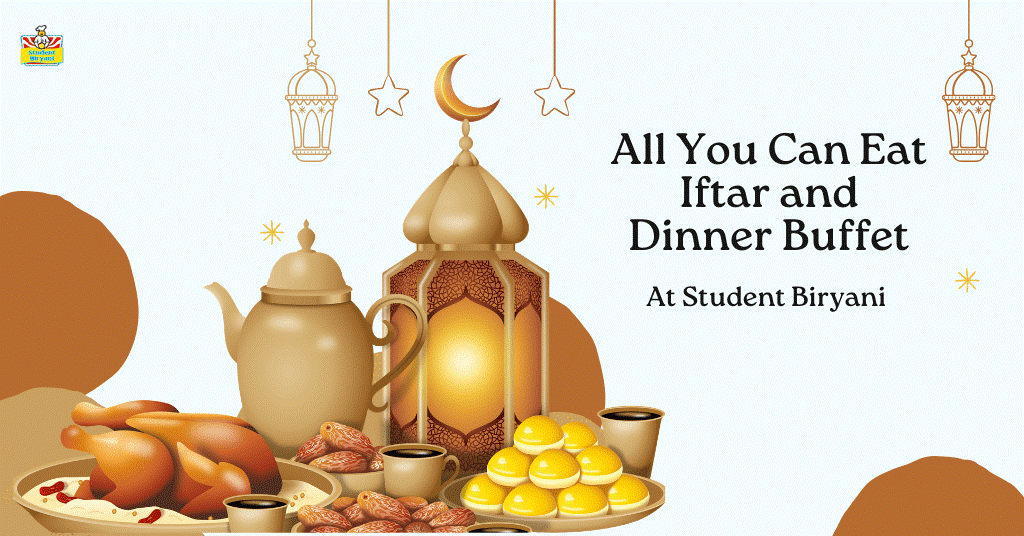
The Iftar section includes:
- Dates
- Dahi Baray
- Fruit Chaat
- Channa Chaat
- Pakorey
- Samosay
- Jalebi
South Asian Ramadan tables usually begin with the same group of dishes. Dahi baray bring yogurt and lentil dumplings, channa chaat adds chickpeas and spice, fruit chaat provides sweetness, and fried snacks such as pakoras or samosas arrive while the fast is first being broken.
Small portions often lead to second rounds.
Main Dishes Served for Dinner
Once the first plates clear, attention usually shifts toward the dinner section of the buffet.
Rice anchors the meal. Curries and kababs follow.
Dinner dishes include:
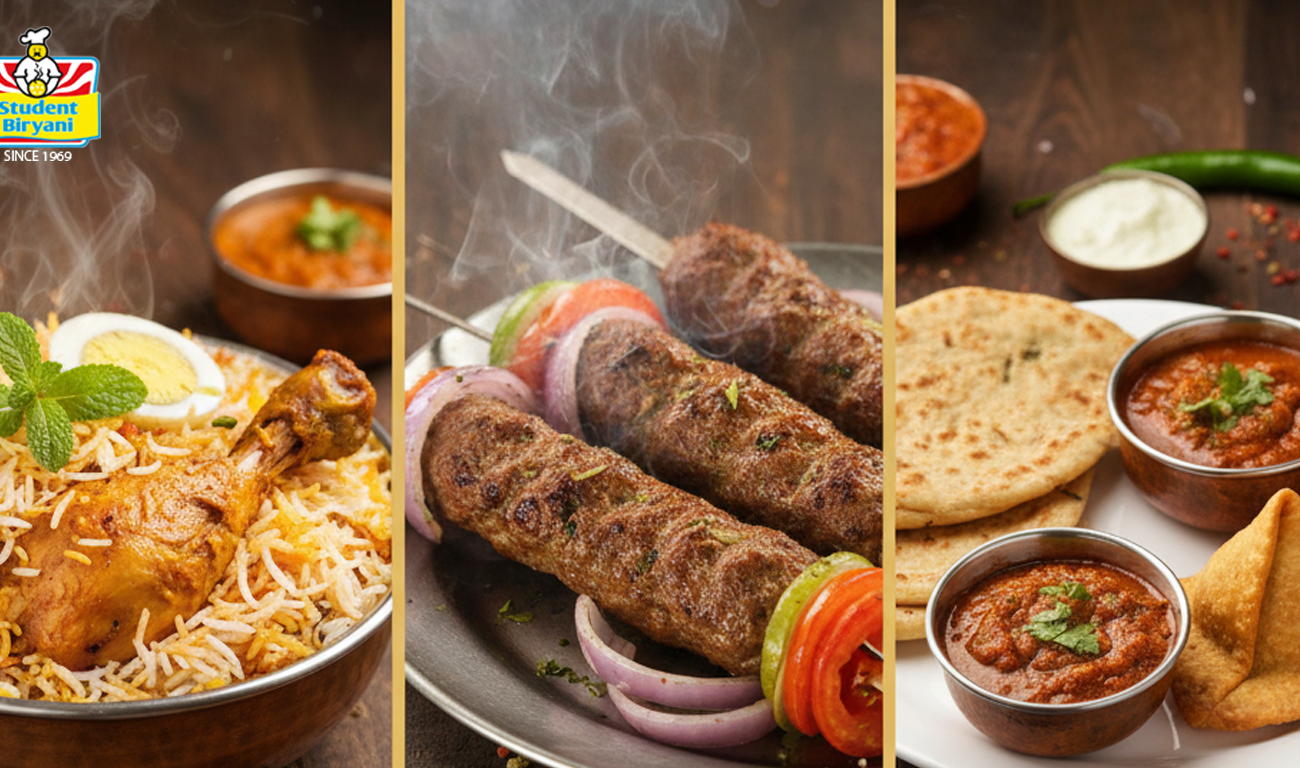
- Chicken Biryani
- Vegetable Biryani
- Mutton Karahi
- Chicken Qorma
- Daal Fry
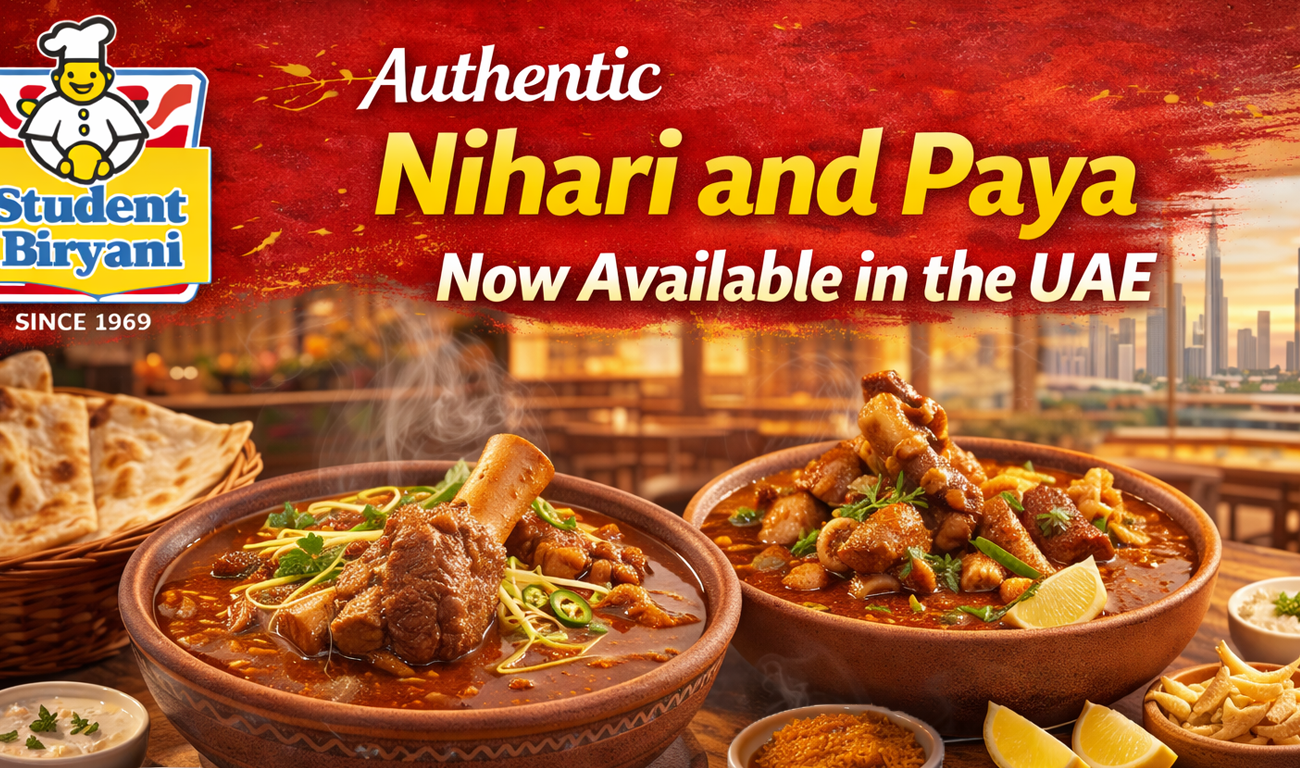
- Haleem
- Reshmi Kabab
- Seekh Kabab
- Shami Kabab
Guests usually return to the biryani more than once. Others move between curry and kabab selections. Buffet service allows the table to evolve slowly instead of committing to one large order.
Second servings are common.
Desserts Served After the Meal
Sweet dishes usually appear after the heavier plates have slowed the evening down.
Dessert options include:
- Zarda
- Kheer
- Gulab Jamun
Each dessert brings a different texture. Rice-based sweets, milk pudding, and syrup-soaked dumplings often close the meal in traditional Pakistani dining.
Some guests move directly from dinner to tea. Others stop at dessert first.
Beverages Available During the Buffet
Two drinks complete the buffet:
- Rooh Afza
- Tea
Rooh Afza often appears earlier in the evening, especially during the first few minutes after Iftar. Tea tends to arrive later, once the table begins to wind down.
Buffet Pricing for Adults and Children
The buffet is designed to remain accessible for families.
- AED 49 for adults
- AED 39 for kids aged 4 to 12
Children under four are usually seated with family, while older guests follow the adult pricing.
Buffet dining often becomes easier for larger groups. Everyone finds something familiar without needing separate orders.
Why Buffet Dining Fits Ramadan Evenings
Ramadan evenings rarely follow a fixed plan. A few people arrive early. Others walk in closer to Maghrib. The table grows slowly as relatives, coworkers, or friends gather after work.
Ordering a single dish rarely works in that situation. One person wants biryani, another prefers kababs, someone else reaches for haleem or chaat. The conversation usually settles the question by itself; a buffet leaves the choice open.
Plates come back half full, then go out again with something different. Snacks first, then rice, then a small dessert once the evening slows down. The meal stretches comfortably instead of finishing too quickly.
That pace tends to suit Ramadan gatherings better than a fixed order.
Frequently Asked Questions
Q1. What dishes are part of the buffet?
Iftar begins with dates, chaat, pakoras, samosas, jalebi, and dahi baray.
Dinner follows with biryani, karahi, qorma, haleem, daal, and kababs.
Dessert appears later; kheer, gulab jamun, and zarda.
Q2. What is the price?
Adults pay AED 49.
Children aged 4–12 join for AED 39.
Q3. Does the buffet start at Iftar time?
Yes. Snack items are ready when the fast breaks.
Dinner dishes stay available through the evening.
Q4. Is a reservation needed?
Large groups usually book ahead during Ramadan evenings.
Small groups often arrive earlier without a reservation.
Q5. What drinks are served?
Rooh Afza during Iftar.
Tea later in the evening.
Q6. Can families bring children?
Yes. Many tables include families during Ramadan.
Children often begin with snacks or dessert.