Haleem is not a fast dish. It cannot be assembled at the last minute or corrected once rushed. Grain and meat must break down together, slowly, until individual ingredients lose sharp edges and form a unified texture.
Across Abu Dhabi and Dubai, diners looking for haleem usually care about consistency. Thickness matters. Spice balance matters. The surface should show light oil separation after reduction, not excessive grease.
Savor the best haleem in town becomes less about title and more about preparation.
How Properly Cooked Haleem Should Feel and Taste
Haleem is judged first by texture, then by spice. Before garnish, before presentation, the spoon reveals whether enough time was given to the pot.
Well-prepared haleem usually shows clear structural signs:
- Grain and meat fully integrated
Wheat, lentils, and shredded meat should cook down together over hours, forming a unified base rather than separate layers.
- Thick but controlled consistency
The mixture should hold shape briefly on the spoon, then settle slowly. Excess liquid signals rushed cooking; excessive stiffness suggests over-thickening.
- Even reduction
Continuous low heat allows gradual thickening. Uneven stirring often leads to clumps or scorched flavor.
- Balanced spice warmth
Cumin, coriander, and garam masala should deepen flavor without masking the grain base.
- Natural surface sheen
A light layer of oil appearing after long cooking indicates proper reduction, not added fat.
Texture develops through patience. Extended stirring prevents sticking while allowing grains to break down completely. Shortcut methods alter structure immediately.
Across searches for traditional Pakistani haleem in UAE cities, texture remains the first point of comparison among regular diners.
Time as the Main Ingredient
Unlike biryani or karahi, haleem requires continuous attention. Stirring prevents sticking. Low heat prevents scorching. Reduction deepens flavor without burning the base.
In many traditional kitchens, preparation begins well before service. Across traditional Pakistani haleem UAE searches, diners often compare texture first, garnish second.
Patience determines outcome.
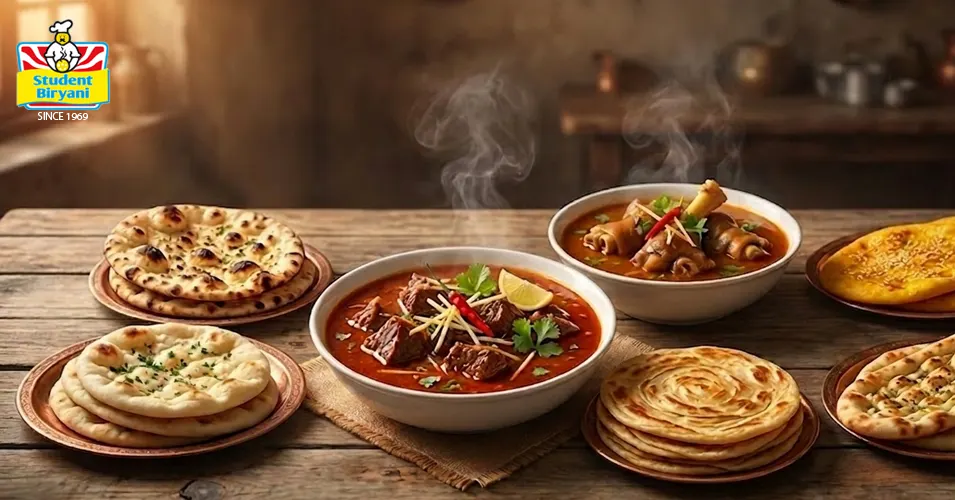
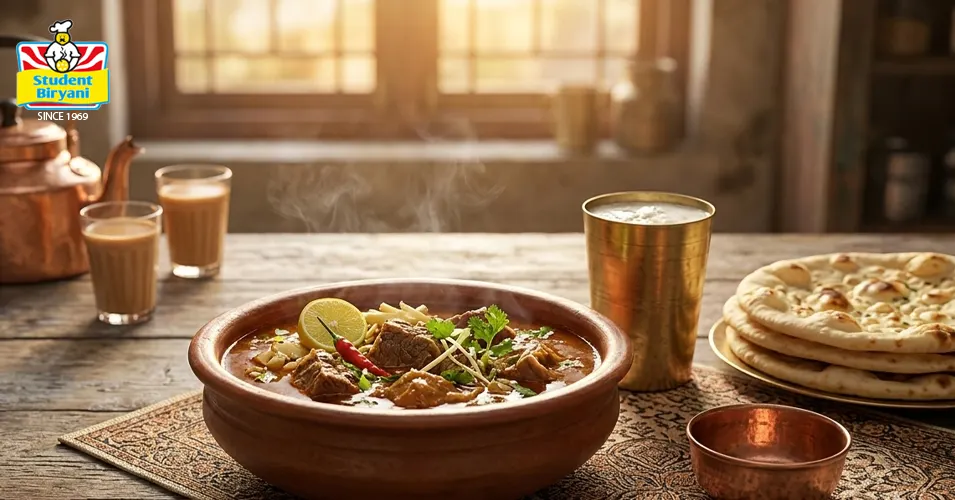
A bowl of haleem rarely arrives plain. Someone in the kitchen has already added a few finishing touches. Not for decoration, but for contrast.
Most bowls include:
- Fried onions
Slightly crisp, slightly sweet, scattered across the surface.
- Fresh coriander
Chopped loosely, bringing a lighter note to a dense dish.
- Thin slices of ginger
Sharp at first bite, then fading into the background.
- Green chilies, if requested
For those who prefer stronger heat.
- A wedge of lemon on the side
Squeezed gradually, not all at once.
No single topping should dominate. Too much lemon flattens the depth. Too many onions shift the balance. A small adjustment is usually enough.
Haleem should stand on its own. Garnish only nudges the flavor slightly in one direction or another.
A Weekend Staple for the South Asian Diaspora
For many within the South Asian diaspora in UAE communities, haleem holds seasonal and weekend significance. Shared bowls placed at the center. Bread torn repeatedly. Conversation stretching without hurry.
In Abu Dhabi and Dubai, availability throughout the year allows that ritual to continue beyond special occasions.
Traditional Pakistani cuisine in UAE settings often reveals its depth most clearly in slow-cooked dishes like haleem.
Recognizing Quality on the First Spoon
Experienced diners often check:
- Does the spoon stand briefly before sinking
- Is the texture cohesive without visible separation
- Does spice linger without overwhelming
- Is sweetness absent from the base
Small signals separate carefully prepared haleem from hurried versions.
At Student Biryani, steady preparation keeps texture consistent across services.
Why Haleem Rewards Repeat Visits
Haleem rarely surprises with flash. It builds appreciation gradually. Familiar texture. Controlled spice. Reliable thickness.
Savor the best haleem in town becomes meaningful only after comparison across multiple kitchens. Repeat diners return where preparation remains unchanged.
Slow cooking leaves a lasting impression.
Looking for more menu choices for Ramadan?
Chat With Us on WhatsApp to Place Your Iftar Order