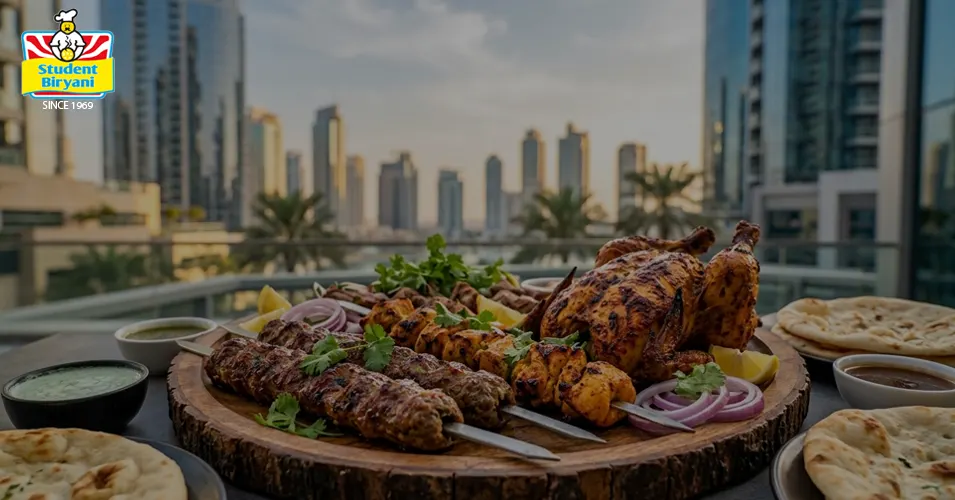
Opening a menu in a Pakistani restaurant often starts with one assumption: biryani first. Yet once the pages turn, the range becomes clearer. Rice anchors the spread, but it does not define it entirely. Gravies simmer separately. Bread bakes in clay ovens. Breakfast dishes remain available beyond early hours.
The Ultimate Guide to Student Biryani’s Menu helps first-time visitors and returning families understand how the structure works, not just what is listed.
How the Menu Is Structured
Clarity matters, especially when ordering for a group.
The complete Student Biryani menu UAE diners explore usually follows a familiar progression:
- Rice Dishes
Chicken, beef, and mutton biryani prepared through dum layering.
- Slow-Cooked Curries
Nihari, karahi, haleem, and other gravy-based options.
- Tandoor Selection
Naan variations baked in a clay oven.
- Breakfast Classics
Halwa puri, chana, paya, often available beyond weekend mornings.
- Sides and Condiments
Raita, salad, and accompaniments that balance spice.
Categories remain traditional rather than experimental. Navigation stays straightforward.
Biryani as the Foundation
Rice holds structural importance. The dum process seals meat and rice together under controlled heat, allowing steam to circulate within the pot. Flavor distributes gradually instead of concentrating unevenly.
Portion sizing supports sharing. Large platters placed at the center reduce individual ordering friction, particularly during family gatherings in Abu Dhabi and Dubai.
Biryani often initiates the order, but it rarely ends there.
Gravies That Add Weight to the Table
Curries shift the dynamic.
Nihari thickens over time. Karahi reduces until oil separates naturally. Haleem develops density through grain and meat integration. Each dish requires patience before service.
Within any Pakistani restaurant menu breakdown UAE searches reveal, gravies usually determine whether tradition is preserved or simplified.
Texture tells the story more clearly than garnish.
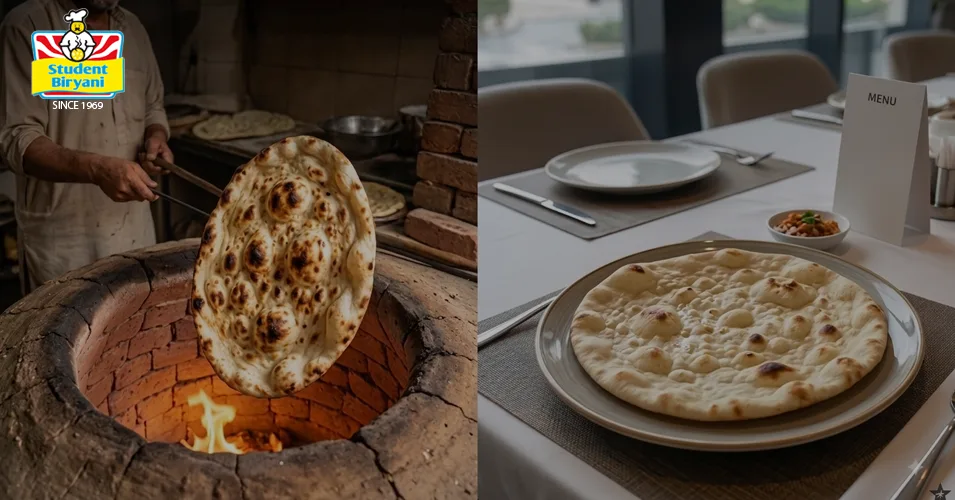
Bread From the Tandoor
Clay ovens operate at high vertical heat. Dough is pressed against interior walls and cooks rapidly, forming light charring while retaining softness inside.
Common variations include:
- Plain naan for neutral pairing
- Butter naan for added richness
- Garlic naan to complement heavier curries
Bread completes gravies rather than competing with them.
Breakfast Beyond Morning Hours
Many diners associate traditional Pakistani breakfast exclusively with weekends. In practice, availability across Abu Dhabi and Dubai extends further.
Halwa puri combinations, chana, and slow-cooked paya remain accessible beyond early hours, offering flexibility for late arrivals or extended family visits.
Menu range supports routine rather than limiting it.
Building a Balanced Order
When visiting as a group, structure prevents excess.
A practical combination often includes:
- One rice base
- One gravy for depth
- Fresh naan
- A cooling side such as raita
Spice tolerance varies within families. Ordering with contrast in mind keeps the table balanced.
Guidance matters for first-time diners searching what to order at Student Biryani without overcomplicating the experience.
Designed for Shared Dining in the UAE
South Asian family dining in UAE settings usually centers on shared platters rather than individual portions. The Student Biryani menu guide reflects that format. Dishes are grouped in a way that supports collective ordering.
At Student Biryani, structure favors continuity. No abrupt fusion experiments. No unnecessary reinvention.
Range exists, but it stays within tradition.
A Menu Built on Structure, Not Volume
The Ultimate Guide to Student Biryani’s Menu reveals depth without clutter. Rice, gravies, bread, breakfast, sides — each section supports the others.
Exploration becomes easier once the categories are understood. Families and food enthusiasts across the UAE return not because the menu overwhelms, but because it remains predictable in the best way.
Structure builds confidence
Looking for more menu choices for Ramadan?
Chat With Us on WhatsApp to Place Your Iftar Order