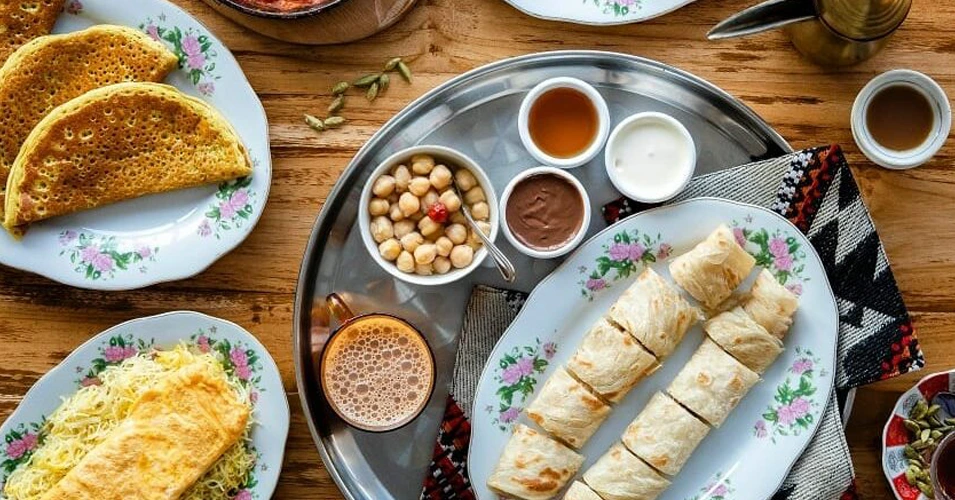
Quick meals rarely need planning. A short stop, a small order, and the food arrives without delay. That pattern shows up across many places in the UAE, especially where casual eating fits between other parts of the day.
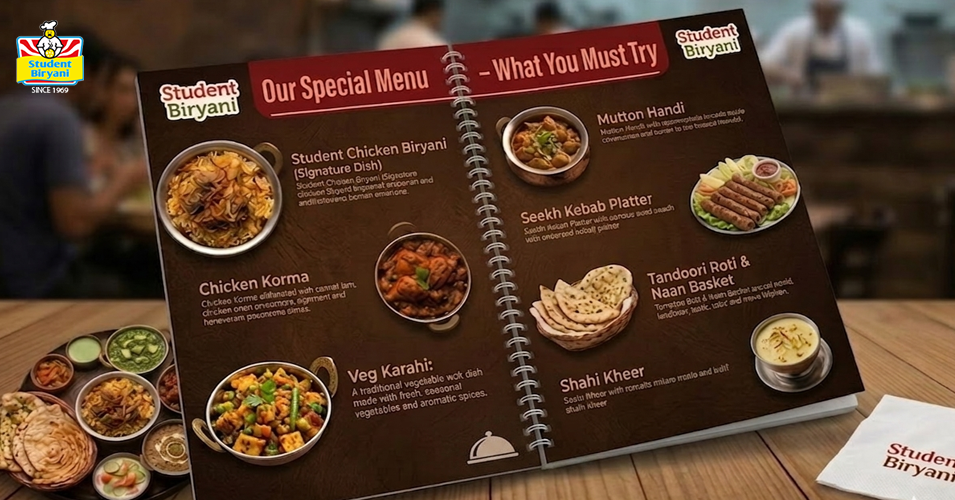
At Student Biryani, that same approach appears in a more structured setting. The food follows the same style, but the experience stays consistent from one visit to the next.
What Defines Street Food Style
Street food style is shaped more by how the food is served than by what the dish is. Speed, portion size, and handling decide whether something fits into that category.
Orders are prepared and served quickly, often within a few minutes. Food arrives ready to eat, without needing rearrangement or additional steps at the table. That pace allows people to eat without committing to a full sitting.
Several characteristics keep repeating across different dishes:
- Short preparation window → items are either prepped in advance or finished quickly after ordering
- Handheld or compact serving → food can be eaten without relying on full table setup
- Single-plate structure → one portion completes the need without combining multiple dishes
- Immediate consumption → best eaten as soon as served, without waiting
Structure remains consistent even when the setting changes. Whether served at a roadside stall or inside a restaurant, the format stays focused on speed and simplicity rather than sequence or presentation.
Dishes That Carry That Style
Samosa and pakora usually appear first. They do not need introduction and rarely stay limited to one piece. The plate clears quickly without feeling like a full meal.
Chaat moves differently. The texture shifts with each bite, mixing soft and crisp elements in the same serving. It often sits between a snack and a small meal, depending on how it is ordered.
Rolls and wraps take a more direct role. One portion can stand on its own, especially when the meal needs to stay quick. They are often chosen when there is no time to sit for long.
Bun kabab keeps things simple. Bread, filling, and a straightforward structure that does not change across servings.
How Street Food Style Dishes Fit Into Daily Routine
Street-style dishes usually appear during short, unplanned breaks rather than scheduled meals. Timing shifts across the day, and each window carries a different kind of demand.
- Midday work breaks → samosa, pakora, or a quick roll picked up without sitting for long
- Late afternoon gaps → chaat or light snacks that hold until dinner without feeling heavy
- Evening stops after work → bun kabab or wraps ordered while heading home
- Alongside main meals → small portions added to a table already set with rice or curry
Portion size and serving speed matter more than presentation. Each item fits into a specific moment, allowing the meal to stay flexible without turning into a full sit-down experience.
From Street to Restaurant Setting
The setting may change, but the structure of the food stays the same. Dishes remain simple, portions stay manageable, and the pace does not slow down.
At Student Biryani, that transition becomes clearer. The food keeps its original form, while the service remains steady and predictable. The result feels familiar without relying on the street itself.
A Style That Fits Without Effort
Street food does not need adjustment to stay relevant. It fits into different parts of the day without changing how it is served.
Across the UAE, that pattern continues in small stops and quick meals, where familiarity carries more weight than variety.