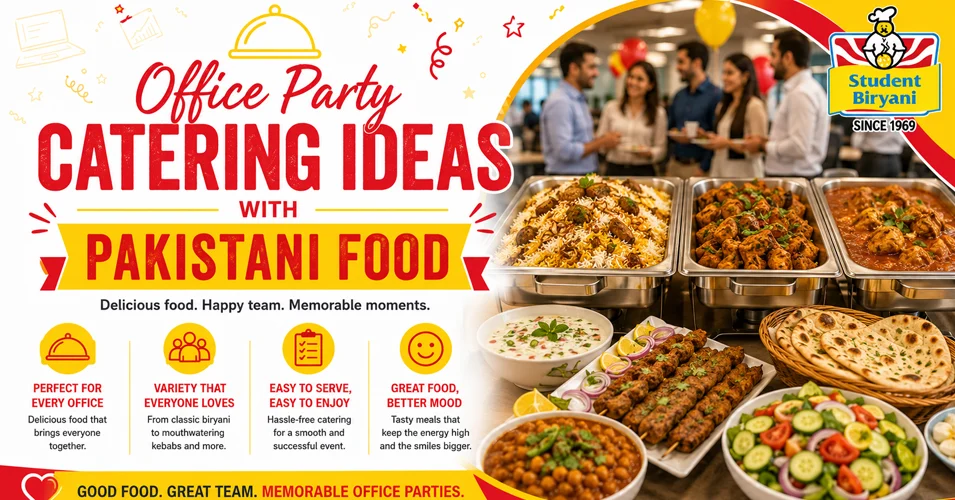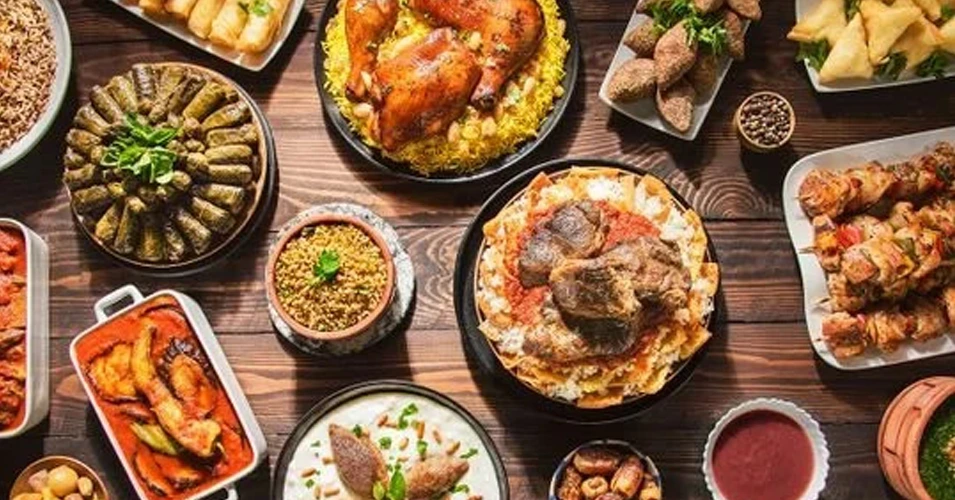
Food choices across the UAE rarely stay limited to one culture. A single table can bring together different preferences, yet certain desi dishes continue to appear without needing explanation. Orders tend to settle around what feels familiar rather than what feels new.
At Student Biryani, that pattern becomes visible early. The same dishes repeat across different tables, not because of limited choice, but because people return to what already works.
Dishes That Continue to Appear Across Tables
Certain dishes return without needing to be suggested. Orders may vary, but a few items tend to repeat across different tables, shaping the meal before anything else is added.
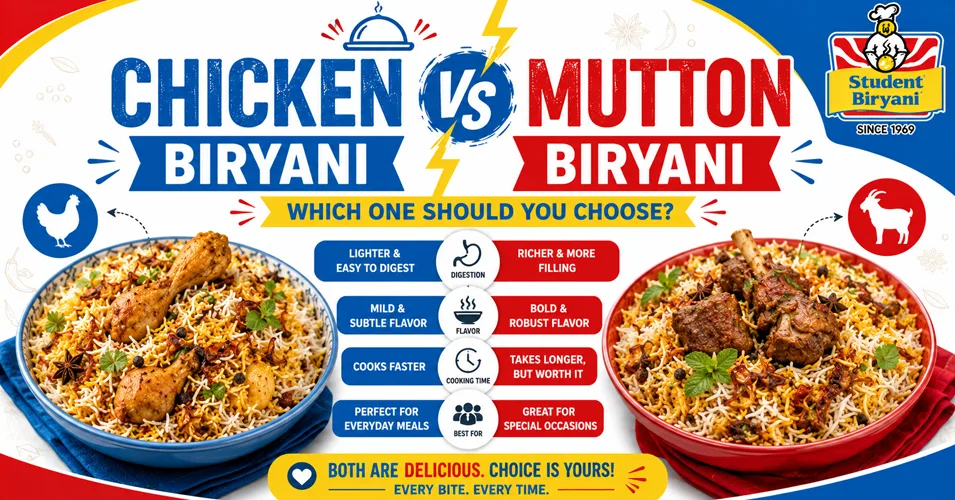
- Biryani – Biryani usually lands first and settles the table without much discussion. Once it arrives, most of the order begins to shape around it rather than replace it.
- Pulao – Pulao tends to follow when the meal needs to stay lighter. It carries enough flavor to hold on its own but does not dominate the table.
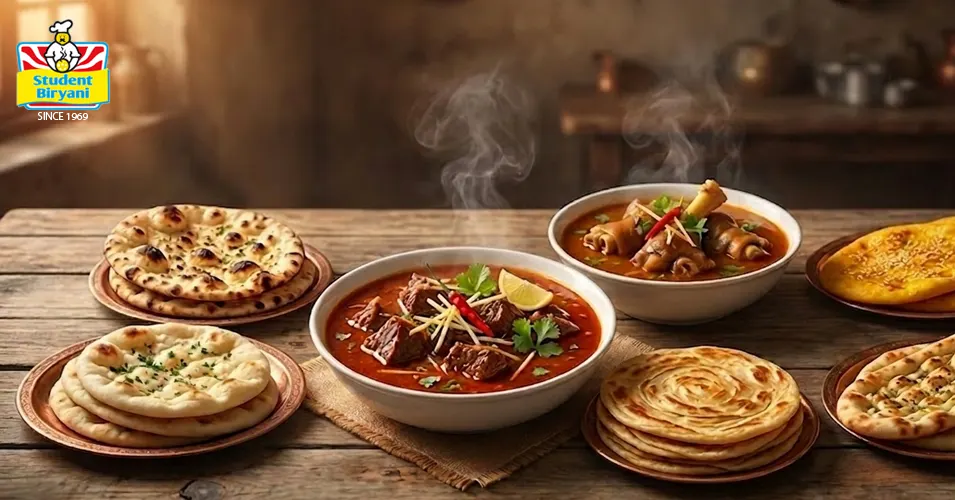
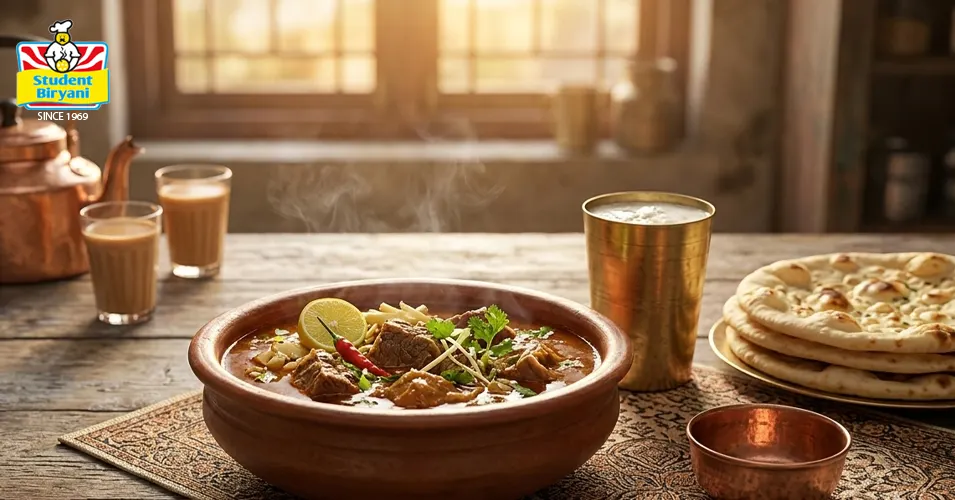
- Nihari – Nihari appears when the meal leans toward a slower pace. It is rarely rushed and usually ordered when there is time to sit with it.
- Haleem – Haleem holds a thicker consistency and moves differently on the table. It often stays central for longer, with fewer side additions.
- Karahi – Karahi shifts attention back to the center. Once served, people move between plates instead of sticking to one portion.
- Handi – Handi carries a smoother texture. It usually comes in when the table prefers something balanced rather than sharp or heavy.
- Qorma – Qorma builds gradually. The flavor does not settle immediately, which changes how quickly the meal progresses.
- Samosa – Samosa rarely waits for the meal to begin. It is picked early, often finished before the main dishes arrive.
- Chaat – Chaat sits between a snack and a small meal. It adds variation without pushing the table toward another full dish.
- BBQ (Seekh Kabab / Boti) – BBQ usually arrives after the table has already started. It changes the texture of the meal without interrupting its flow.
Why Certain Desi Dishes Keep Returning on UAE Tables
Repeat orders usually come from reliability rather than curiosity. Once a dish fits into regular eating habits, it stays in circulation without needing to be reconsidered.
- Portion adaptability → works for individual meals and shared tables without changing quantity or structure
- Built-in balance → rice, gravy, or protein combine into a complete plate without extra planning
- Consistent preparation → texture, spice level, and portion remain stable across different visits
- Familiar decision path → ordering takes less time when the outcome is already known
- Wide availability → the same dishes can be found across multiple locations without variation
Timing reinforces the pattern. Biryani and BBQ fit shorter meals, while karahi or nihari align with longer sittings. The same group of dishes adjusts across both without losing relevance.
A Familiar Pattern That Holds Across Locations
Food trends change, but certain meals remain steady because they fit into everyday routines without effort.
At Student Biryani, that pattern holds across different locations, where the same dishes continue to appear on tables without needing to be reconsidered.