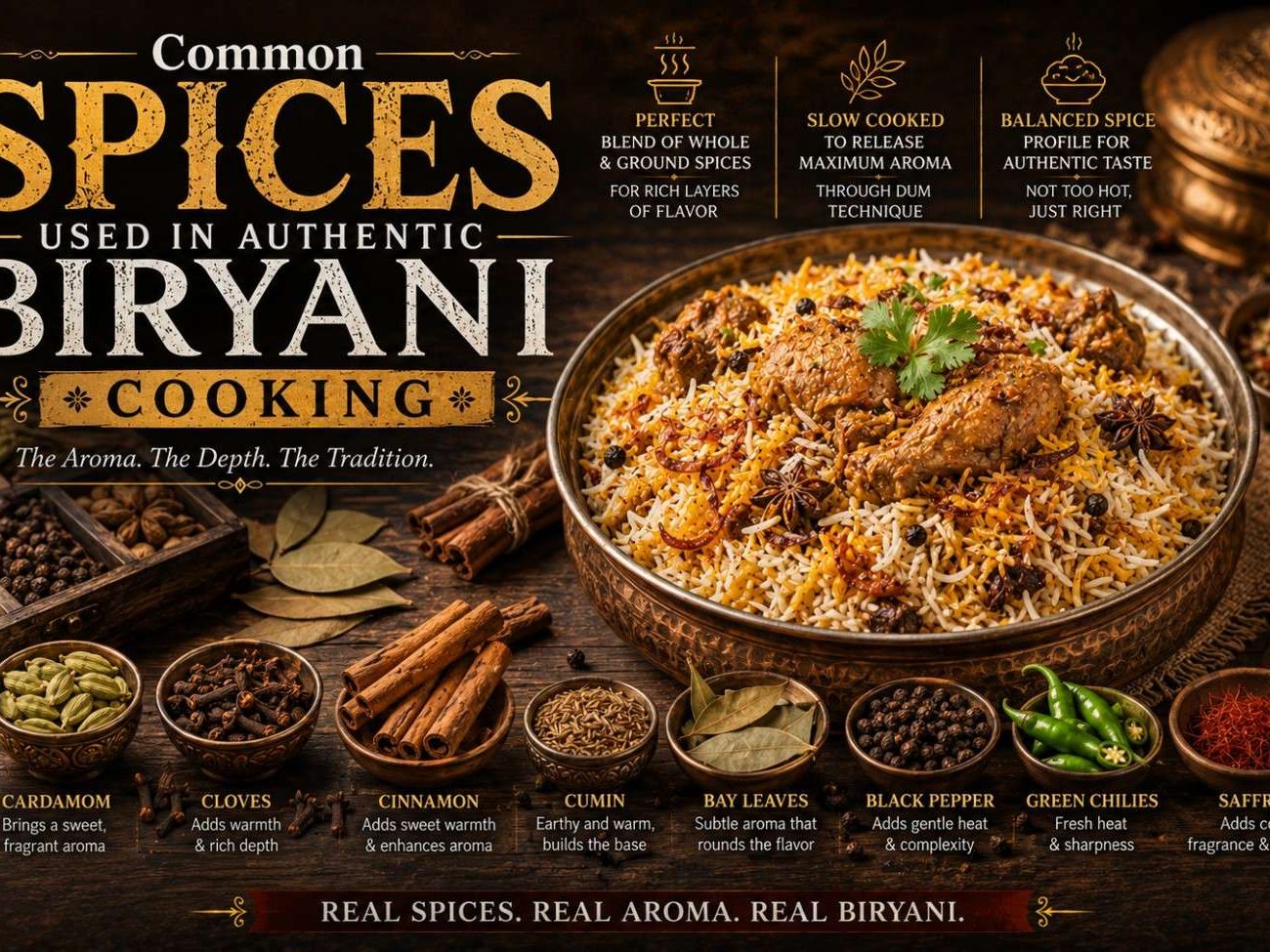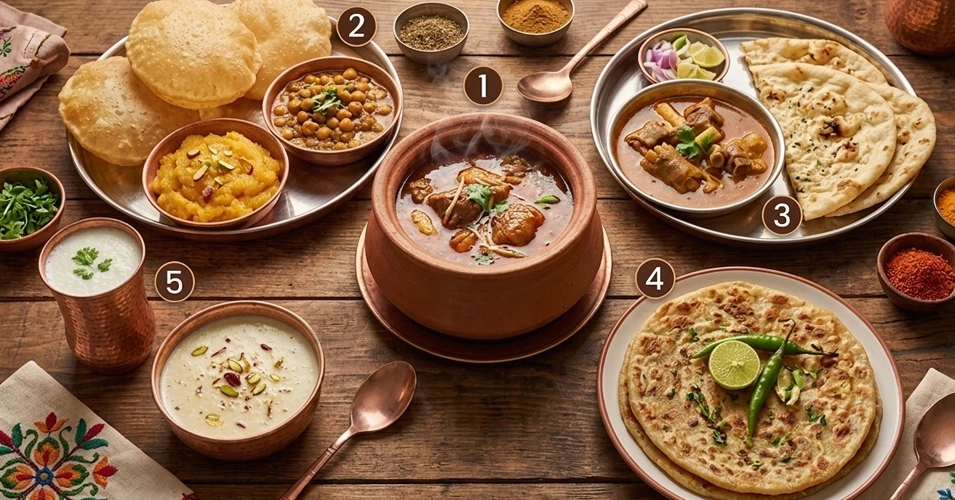
Why Biryani Rarely Stands Alone at the Table
Biryani is usually served as the center of the meal, but rarely as the only thing on the table. Once the spice builds and the rice starts carrying more masala through the plate, people naturally begin reaching for something cooler, sharper, or lighter alongside it.
That habit developed long before modern restaurant menus did.
In many Pakistani and South Asian households, side dishes are less about presentation and more about balance. A spoon of raita slows the heat down. Salad cuts through heavier masala. Salan adds moisture where the rice feels drier. Even small accompaniments can change the pace of the meal completely.
The pairings stayed because they solved practical problems while eating.
Cooling Side Dishes That Balance Spice and Heat
Most traditional biryani sides exist for one reason first: balance. Rich rice and layered masala become easier to eat over a full plate when something cooler sits beside them.
A few pairings appear repeatedly for that reason.
- Raita
Yogurt naturally softens sharper spice and heavier oil. In many biryani meals, raita also changes the texture of the rice slightly, making each serving feel lighter without removing flavor.
- Fresh salad
Onion, cucumber, lemon, and tomato add crunch and acidity that break up softer rice textures. The contrast becomes more noticeable during larger meals.
- Mint chutney
Some people prefer cooling through herbs rather than yogurt. Mint-based chutneys sharpen the meal differently and work especially well with heavier Pakistani biryani styles.
- Pickled sides
Small amounts of achar or pickled vegetables often appear beside biryani because sourness changes how the spice lands on the palate.
Not every table uses all of these together. Usually one or two are enough to steady the meal.
Side Dishes That Add Texture and Depth to the Meal
Salan Beside the Rice
On some tables, salan stays untouched at first. Then halfway through the plate, someone starts mixing a little into the rice once the top layer begins drying out. The entire texture changes after that. The grains loosen slightly, the masala spreads differently, and the meal starts feeling slower and heavier at the same time.
Most people don’t pour it over everything immediately. They adjust it gradually while eating.
Fried Additions
Crispy onions and fried green chilies usually appear in smaller amounts, but they change the plate quickly. Softer rice starts picking up crunch, and sharper heat begins cutting through the heavier masala underneath.
Too much fried texture pushes the balance too far though. A little usually works better than a full topping layer.
Grilled Pairings
At larger tables, grilled items sometimes arrive beside biryani instead of inside it. The pairing works because the textures move differently. Smokier meat slows the pace of the meal, especially during long family dinners where people keep returning to the serving tray over time.
Not every side dish exists to cool the spice down. Some simply stop the meal from feeling repetitive halfway through eating.
Why Traditional Pairings Still Work Better in Shared Meals
Large biryani meals rarely stay organized for long. Serving spoons move constantly, people adjust portions midway, and side dishes begin circulating around the table almost automatically. Traditional pairings survived partly because they handle that kind of eating well.
Raita can spread across multiple plates without changing the meal too aggressively. Salad stays separate until people want freshness between bites. Salan works gradually, allowing each person to control how much moisture or spice enters the rice.
That flexibility matters more at shared tables than carefully structured combinations do.
During family meals especially, different spice tolerances show up quickly. Some people want stronger masala throughout the plate, while others keep reaching for yogurt or salad to soften the heat. Traditional side dishes allow the same biryani serving to work comfortably for both.
The meal adjusts itself naturally once the table settles.
Why the Right Pairing Changes the Entire Meal
Good biryani pairings rarely draw attention to themselves while eating. Their job is usually quieter than that. They cool the spice before it becomes tiring, add texture before the rice starts feeling too soft, or shift the balance of the plate halfway through the meal.
Without those small adjustments, even strong biryani can start feeling heavy over time.
At Student Biryani, those traditional pairings remain closely connected to how Pakistani biryani is usually eaten at real tables; not as decorative extras beside the plate, but as part of the overall rhythm of the meal itself.