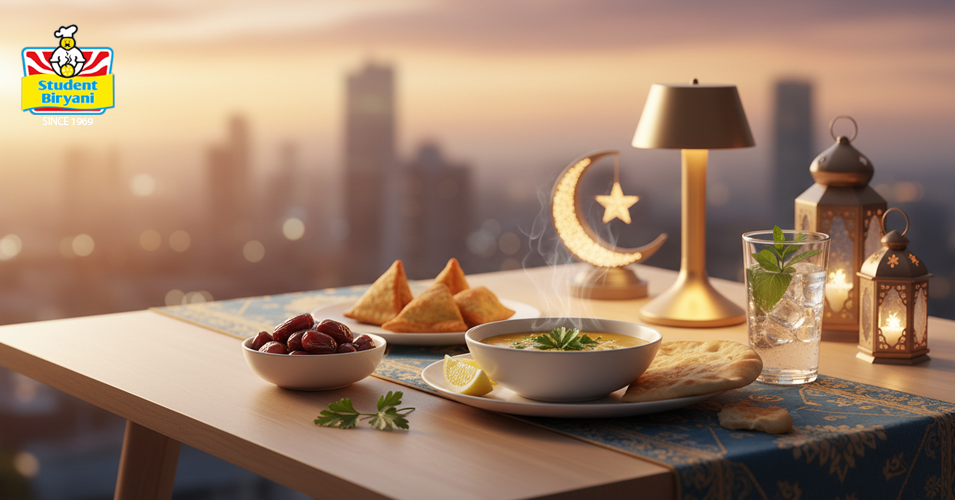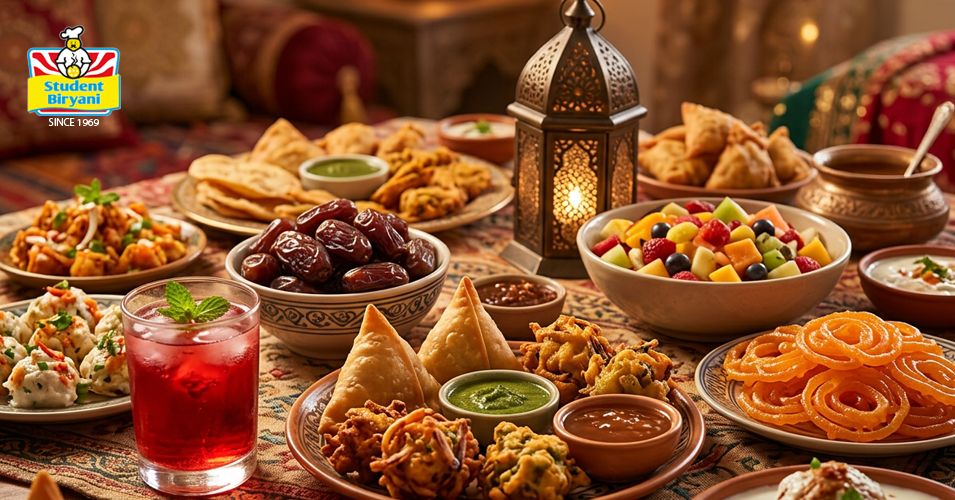
The fast usually ends with something small. Dates pass across the table first. Water or laban follows soon after.
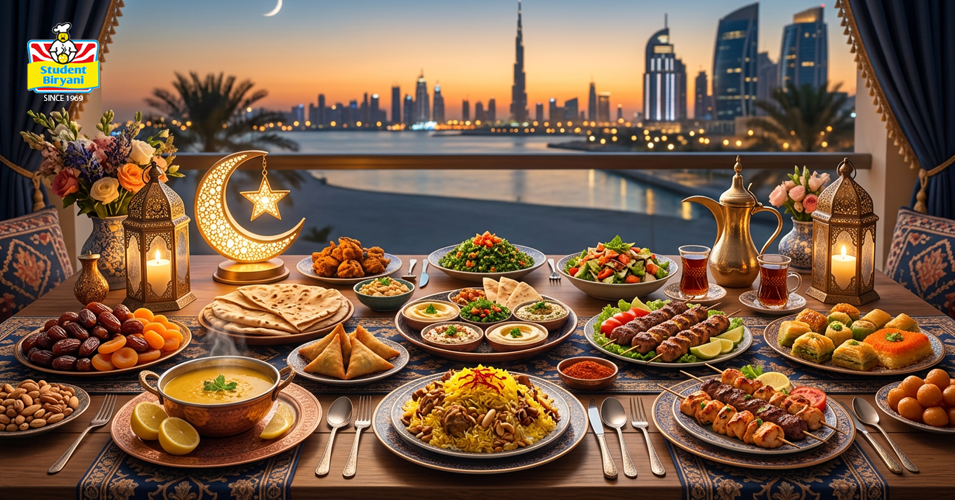
A few minutes later, the table begins to change. Small plates appear. Fried snacks arrive while the first hunger fades.
Iftar rarely begins with a heavy meal. Most households start slowly before bringing out the main dishes.
Dates and Drinks That Begin the Fast
Dates remain the simplest way to break the fast. Many families keep them ready before Maghrib.
Water often follows immediately. Some tables include laban or sweet drinks such as Rooh Afza.
The first moments of Iftar stay quiet. The meal grows gradually afterward.
Snacks That Often Appear Early
Fried snacks usually appear soon after the fast is broken. The portions remain small at first.
Common items include:
- Samosas
- Pakoras
- Spring Rolls
- Fruit Chaat
- Channa Chaat
- Dahi Baray
These dishes help open the appetite without feeling heavy.
Many households prepare them in advance before sunset.
Rice and Main Dishes Served Later
Heavier food usually appears after the first round of snacks. Rice dishes often take the center of the table.
Chicken biryani appears frequently. Some meals include curry dishes such as karahi or qorma. Haleem also remains popular during Ramadan evenings.
These dishes form the main part of the dinner.
Meals such as the
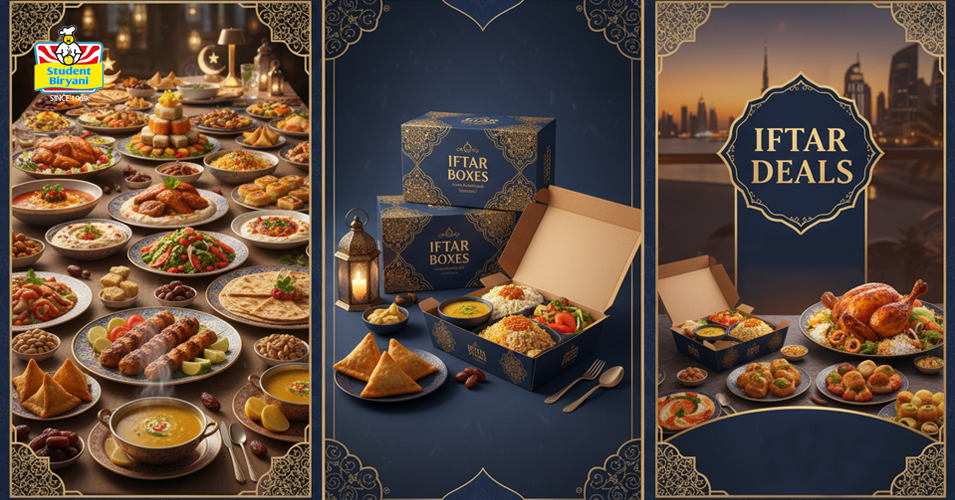
Ramadan Blessing Bundle Iftar Deals in UAE
combine several of these traditional items into a single serving.
Desserts That End the Evening
Sweet dishes usually arrive once the table slows down. Guests often return for dessert after the main meal.
Common options include:
- kheer
- gulab jamun
- zarda
- jalebi
Desserts mark the final stage of the evening meal.
Different Ways Iftar Meals Are Served
Traditional foods appear in many formats during Ramadan. Some evenings call for a quick meal. Others involve larger gatherings.
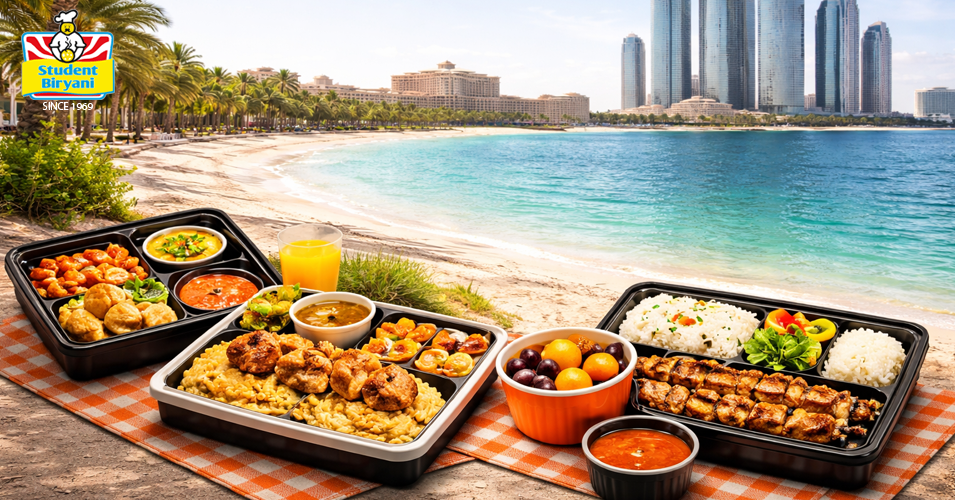
Meal deals provide a simple option for small tables.
Shared packages work better for families.
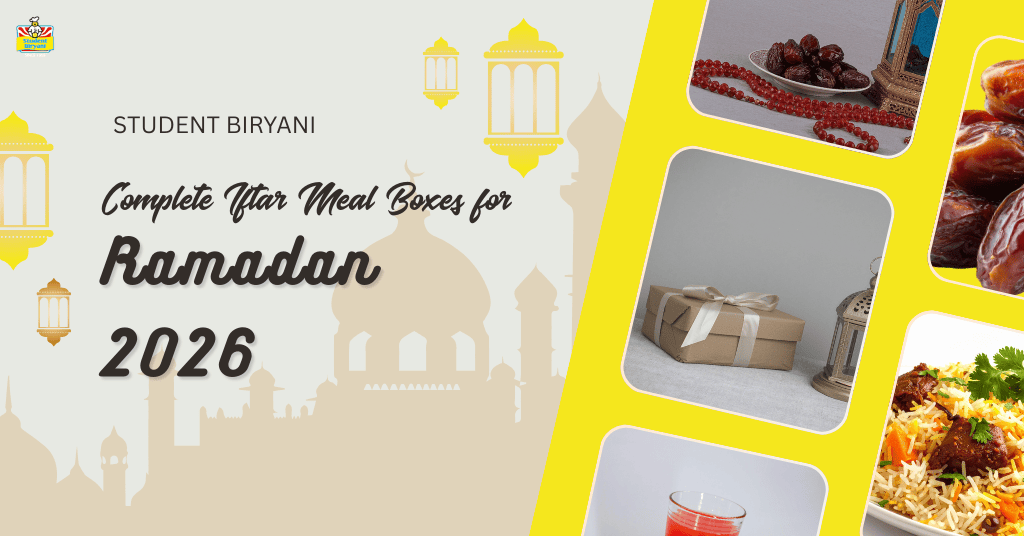
Families arranging a larger spread often choose
Ramadan Iftar Boxes for Families and Small Gatherings.
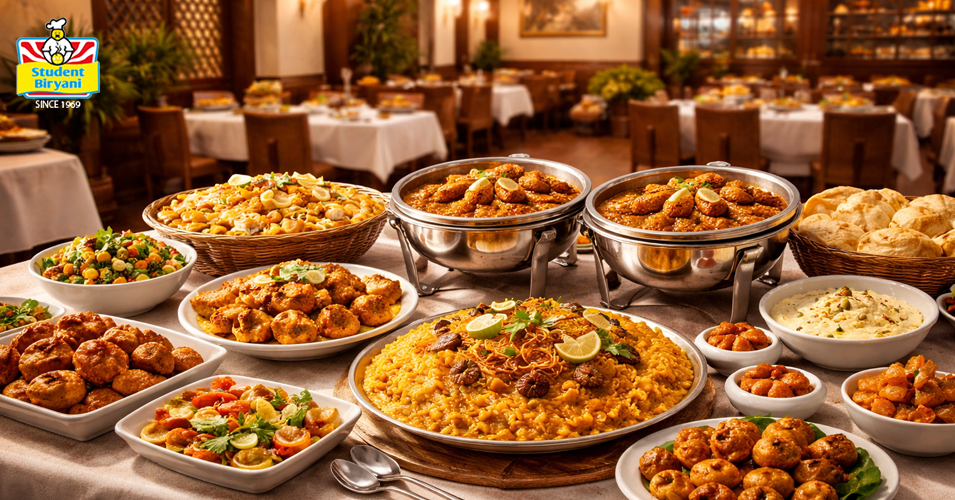
Dining out offers another option when variety matters. Buffet service allows guests to choose different dishes throughout the evening.
More details about that format appear in
All You Can Eat Iftar and Dinner Buffet at Student Biryani