Maghrib arrives quickly during Ramadan. Many people leave work only minutes before sunset. Dinner often happens somewhere between the office and home.
Cooking a full meal at that hour rarely feels practical. Hunger builds after a long day, yet time remains limited. A quick Iftar becomes the simplest answer.
Small meals prepared in advance often fill that gap. A portion of rice, a few snacks, and a drink can break the fast without delay.
Evenings When Time Is Limited
Weekday schedules rarely slow during Ramadan. Meetings stretch into the late afternoon. Commutes take longer once people begin heading home.
Dinner planning often happens on the way back. Some households cook later at night instead of before sunset. Others look for something ready nearby.
A quick Iftar meal helps bridge that moment between work and the evening meal.
Foods That Work Well for a Quick Iftar
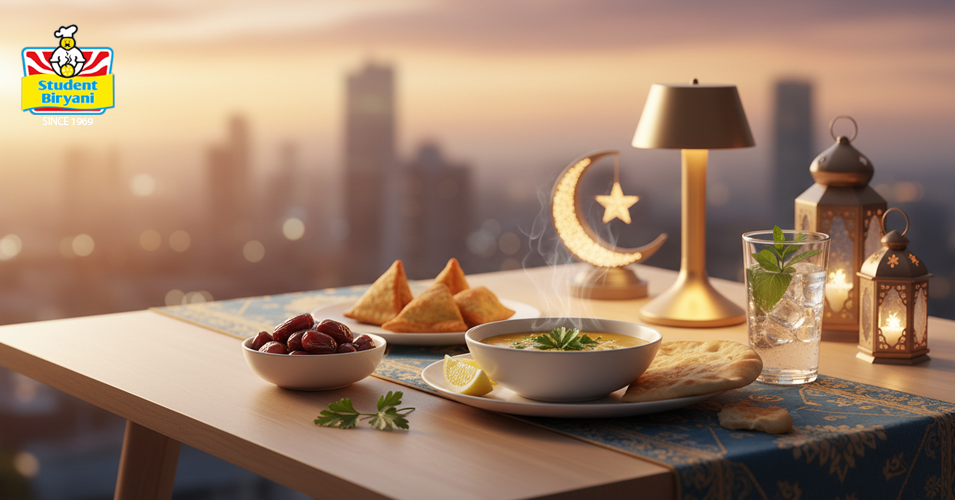
Simple foods usually work best when time is short. The meal should break the fast gently but still feel complete.
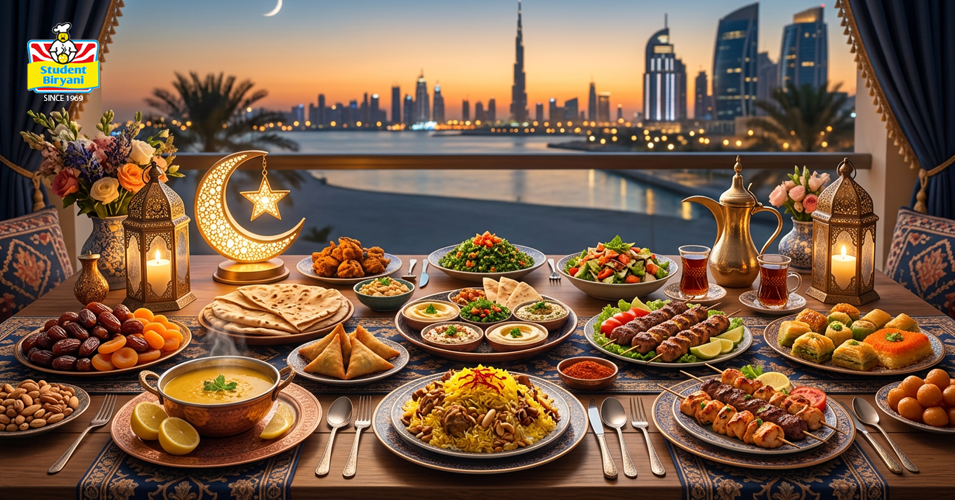
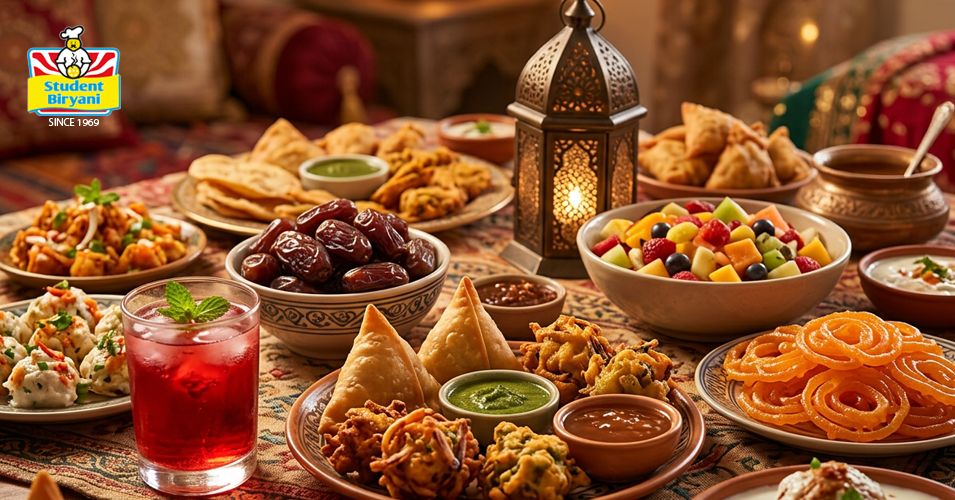
Common quick Iftar choices include:
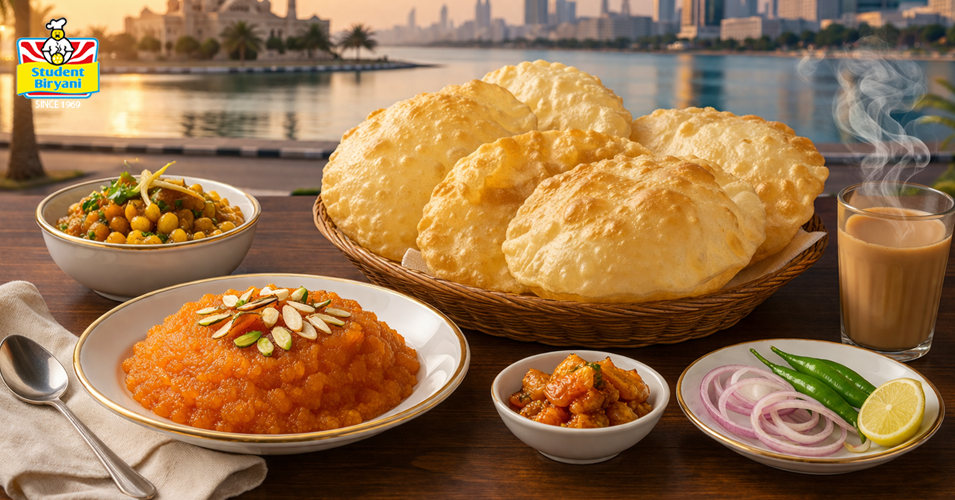
- chicken biryani
- samosas or pakoras
- fruit chaat
- dates
- laban or water
These dishes appear often because they require little preparation at the table.
Meal Deals That Combine Several Items
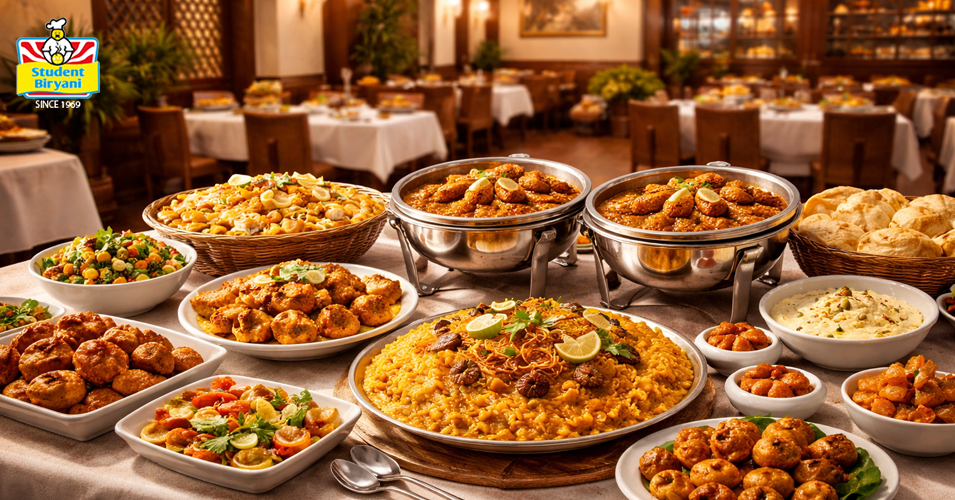
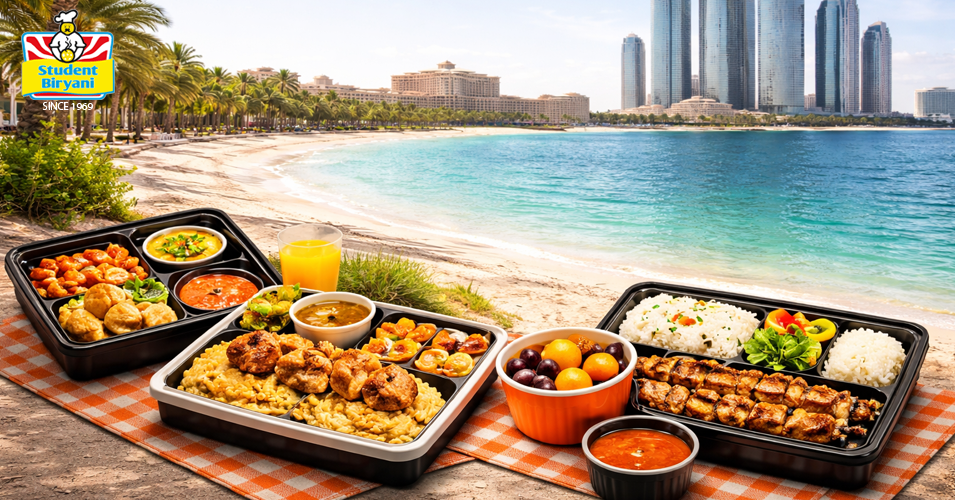
Some restaurants prepare Ramadan bundles for this reason. A single order includes rice, snacks, and a drink.
The arrangement removes the need to order several dishes separately. The meal arrives ready to eat.
Examples of that approach appear in
Ramadan Blessing Bundle Iftar Deals in UAE,
where several traditional Iftar items come together in one serving.
Shared Meals When More People Arrive
Evenings sometimes change plans. A quick dinner turns into a small gathering once friends or relatives arrive.
In those moments, a single meal portion may not feel enough. Shared meals with several dishes work better.
Families arranging that kind of dinner often consider
Ramadan Iftar Boxes for Families and Small Gatherings,
which include rice, snacks, chaat, dessert, and drinks.
Keeping Iftar Simple on Busy Days
Ramadan evenings carry different rhythms. Some nights allow time for cooking and conversation.
Other nights move faster. Work ends late. Hunger arrives early.
A quick Iftar meal allows the evening to begin without delay.