Why Large Eid Dinners Rarely Follow a Fixed Meal Pattern
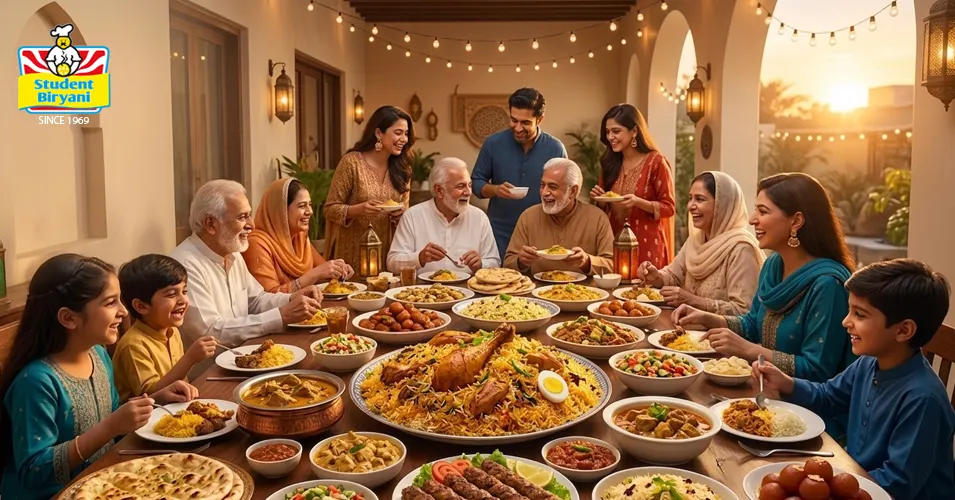
Large Eid dinners usually begin before everyone actually arrives. Some guests eat early, others sit down much later, and the table keeps changing shape as chairs move between rooms, children switch places, and fresh servings continue entering the meal throughout the evening.
The dinner rarely stays still for long.
That is why flexible meal structures matter more during Eid than carefully portioned individual plates. The food needs to handle repeated serving, uneven timing, and different appetites without making the gathering feel interrupted every time another guest joins the table.
Meals that adapt naturally tend to survive the longest during family gatherings.
Meals That Handle Large Family Gatherings
Some meals keep returning at large Eid dinners because they continue working even after the gathering stops behaving in an organized way. People arrive late, children eat in smaller rounds, and someone is usually carrying another tray into the room long after the first serving already finished.
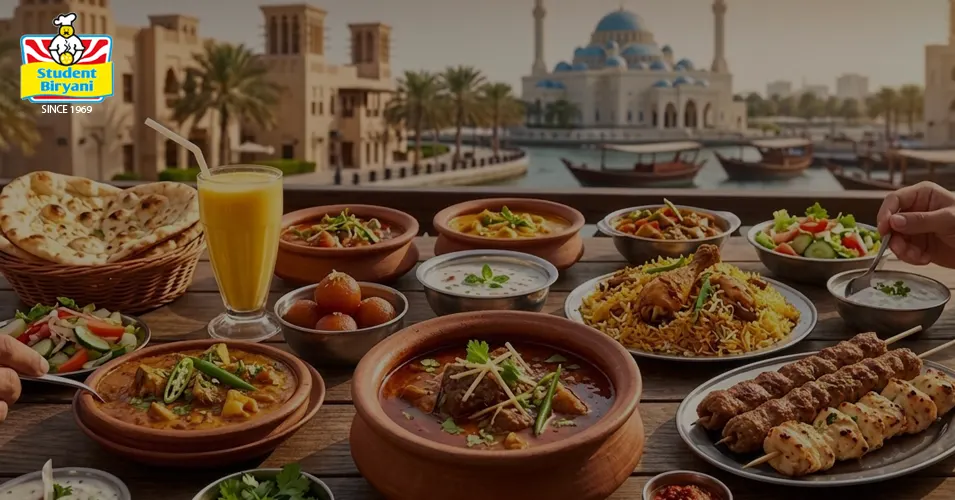
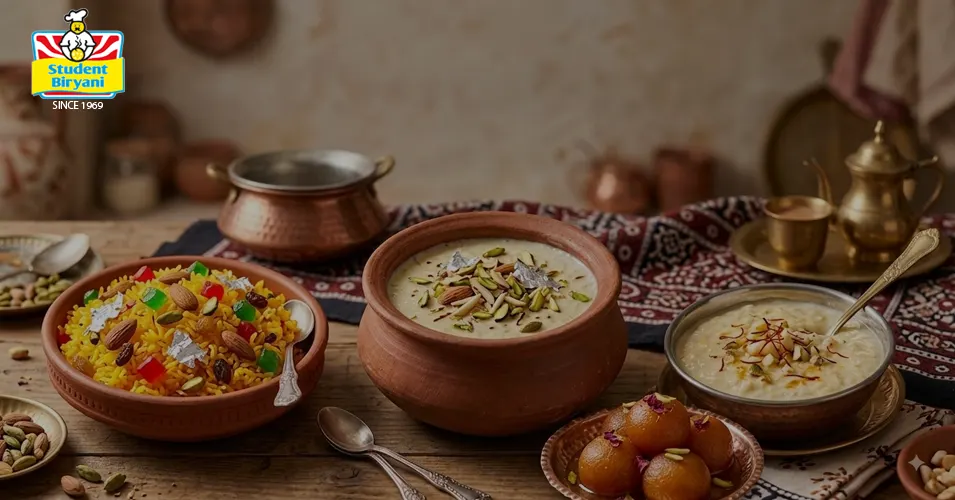
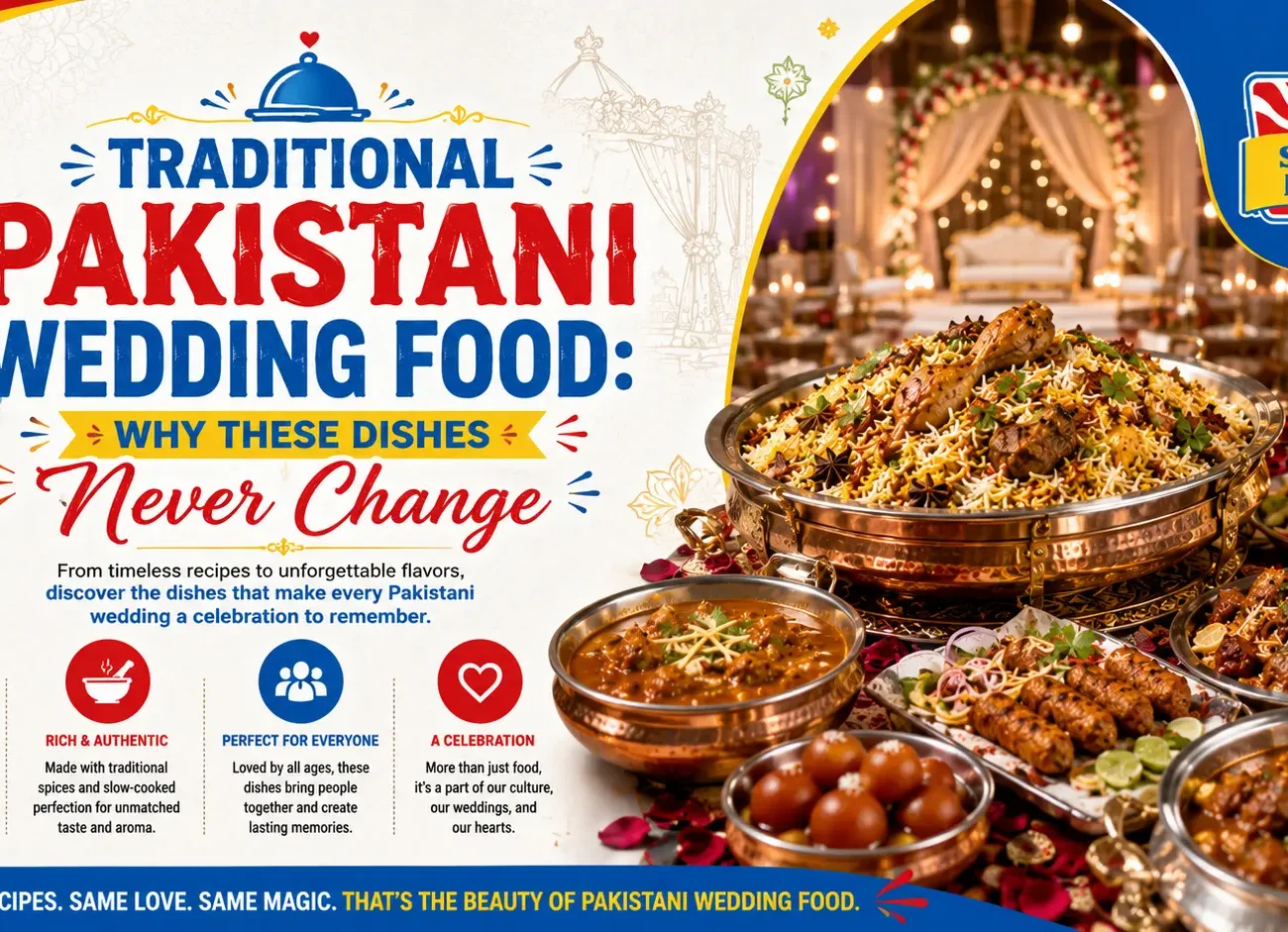
Biryani trays handle that well. A large serving can stay active across the table for hours without forcing everyone into the same pace. Some guests eat heavily early, others return later for smaller portions once the gathering settles again.
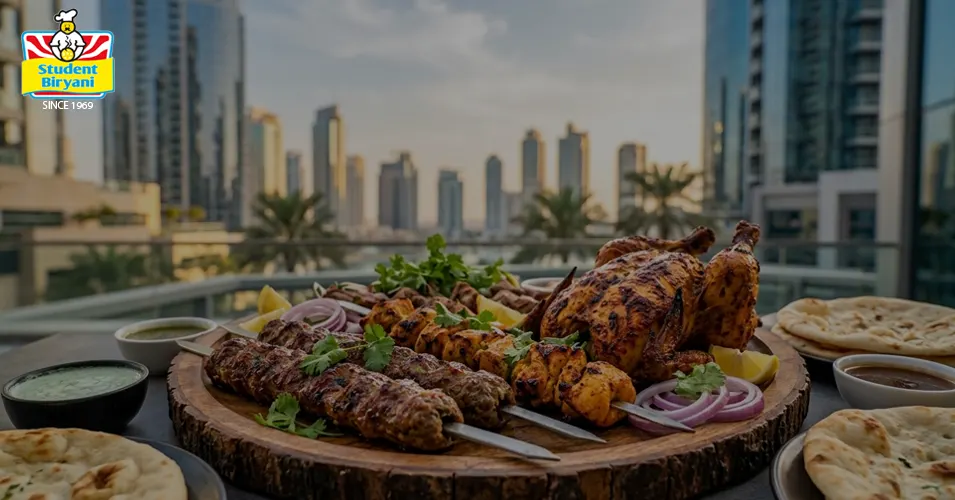
BBQ platters move differently. The food keeps circulating instead of staying fixed in front of one person, which matters once seating arrangements start changing halfway through the evening.
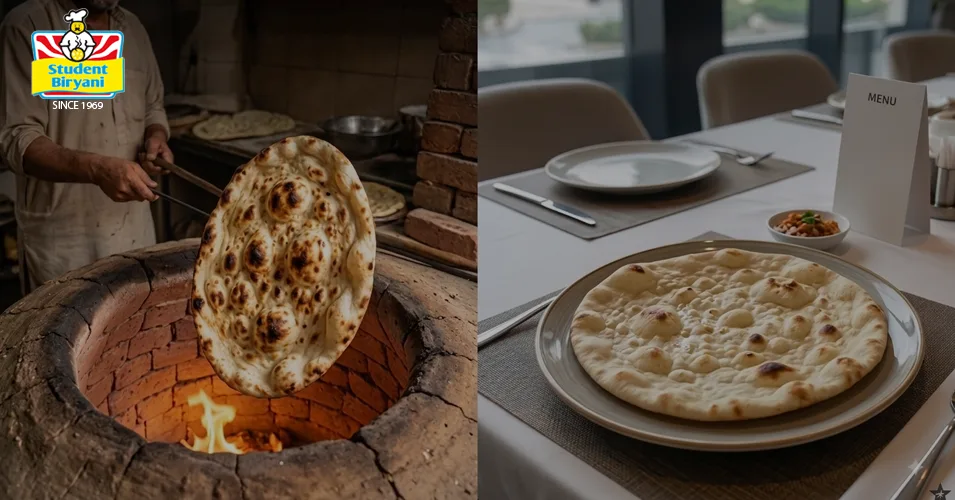
Karahi usually pulls the table inward a little more. Bread keeps moving around it, people serve directly from the center, and the meal stays open enough for repeated rounds without needing to reorganize the dinner every time fresh naan arrives.
Rice dishes in general survive large gatherings better than tightly plated meals do. Portions adjust naturally. The table stretches and contracts around them more comfortably.
That flexibility matters more during Eid dinners than trying to build a perfectly structured menu from the beginning.
How Shared Meals Change the Flow of Large Eid Dinners
Once food starts moving through a large Eid table, the dinner usually stops behaving like a sequence of separate meals. Some people begin with rice, others wait for fresh bread, and someone almost always returns for another serving long after the first plates were cleared.
The pacing becomes uneven naturally.
Older family members may eat earlier and more slowly, while younger guests continue circling back toward the serving trays throughout the evening. Children move between seats, smaller side tables appear midway through the gathering, and conversations often continue long after the first round of food finishes.
Shared meals absorb those shifts better than fixed individual plates usually do.
A biryani tray can keep serving people gradually without feeling disrupted. BBQ platters continue circulating even after the original seating arrangement disappears. Karahi dishes stay active in the middle of the table while bread keeps moving around them in smaller rounds.
The gathering adjusts itself around the food instead of forcing the food into one fixed serving window.
You notice it most clearly once nobody is sitting exactly where they started earlier in the evening.
Why Flexible Meals Work Better Than Fixed Individual Plates
Large Eid dinners rarely move in straight lines. Someone arrives late from another family visit, another guest pauses the meal halfway through, and second servings usually happen at completely different times across the table instead of together.
Flexible meals handle that rhythm more comfortably.
A large shared tray allows portions to expand or shrink naturally depending on appetite and timing. People can eat lightly at first, return later, or continue sitting near the table without feeling separated from the meal once the first serving finishes.
Fixed plates behave differently.
Once individual servings are portioned too early, the dinner becomes harder to adjust as the gathering changes around it. Shared meals leave more room for movement, repeated serving, and slower pacing without making the table feel disorganized.
That flexibility becomes more important as the family gathering grows larger.
Why Certain Eid Dinner Meals Continue Returning Every Year
Some Eid dinner meals continue returning because they fit the way large family gatherings actually behave. They scale comfortably, remain flexible across long evenings, and allow different generations to eat at different rhythms without forcing the table into one fixed structure too early.
The meal keeps adjusting as the gathering changes around it.
At Student Biryani, Pakistani shared dining still follows much of that same structure during Eid dinners; large trays staying active across the table, portions shifting naturally throughout the evening, and meals continuing comfortably even as seating, conversations, and serving patterns keep changing around the gathering itself.