Why Biryani Settled Naturally Into UAE Food Culture
People living in the UAE eat around movement. Work shifts run late, families gather unpredictably, and meals often need to satisfy more than one preference at the same table. Biryani fit into that rhythm easily, which is part of why it spread so naturally across everyday dining.
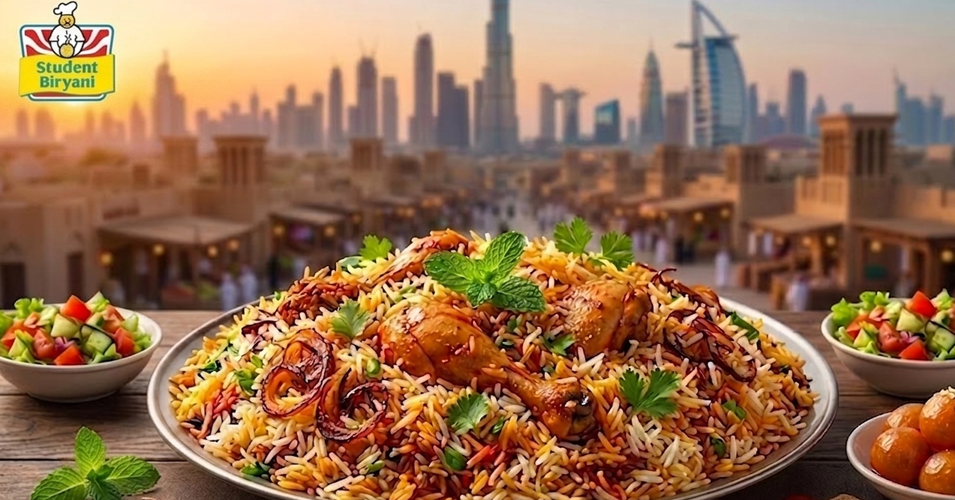
You can see the differences from one serving to another almost immediately. Some versions arrive heavier on masala and heat, especially Pakistani styles where the rice absorbs more of the gravy underneath. Others stay lighter, with less spice pushed into the top layer. Even then, the structure still feels familiar enough that people from different backgrounds recognize the meal without much explanation.
That familiarity helped biryani settle into UAE food culture long before it became one of the region’s most commonly ordered rice dishes.
Why Biryani Works Across Different Types of Meals
Not many dishes move comfortably between quick lunches and large family dinners. Biryani does, which explains part of its staying power in the UAE.
It fits different situations without needing to change much.
- Office lunches
Biryani works well for fast midday meals because it arrives complete. Rice, protein, and spice are already balanced into one serving, so people rarely need additional sides to feel finished. - Family dinners
Larger portions scale naturally at the table. One order can spread across multiple plates without the meal feeling divided. - Weekend gatherings
Shared trays suit group eating better than individually structured meals. People serve themselves gradually instead of waiting for courses or separate dishes. - Late evening meals
In many households, biryani also works because it feels substantial enough to replace lighter snacks or smaller dinners entirely.
That flexibility matters more in the UAE than people sometimes realize. Eating schedules shift constantly between work, travel, family visits, and social gatherings. Meals that adapt easily tend to stay around longer.
What Makes Biryani More Satisfying Than Many Other Rice Dishes
A lot of rice dishes start tasting predictable after a few bites. Biryani usually doesn’t. The plate changes as you eat through it because the rice, masala, meat, and steam never settle evenly across the entire layer.
Some bites carry more spice. Others lean more into aroma.
In many Pakistani biryani styles, the masala sits lower in the pot and gradually moves upward while serving. That changes the way the plate develops from start to finish. The upper layer often feels lighter at first, while the rice underneath carries more warmth, oil, and depth once the serving spoon reaches deeper.
The meat matters too, but not only for protein. Bones, stock, and marinade affect how the rice absorbs flavor during dum cooking. When that balance is handled properly, the dish feels complete on its own instead of needing several side items to support it.
That’s part of why people return to biryani regularly even when food options around them keep changing. The meal rarely feels flat or repetitive while eating it.
Why Biryani Continues to Dominate Group Dining
Group dining in the UAE usually moves fast. People arrive at different times, seating changes midway, and large tables rarely stay organized for long. Biryani handles that kind of eating better than many structured meals do.
The food keeps moving even when the table doesn’t.
At family gatherings, shared trays allow people to serve themselves naturally without interrupting conversation. Office groups often prefer the same setup because large portions reduce waiting and simplify ordering. During weekends or Eid dinners, biryani also removes the need to manage multiple separate dishes across crowded tables.
That practicality becomes more visible the larger the gathering gets.
It’s one of the reasons biryani stayed relevant even while dining trends changed around it. The dish was never built only for individual plates. It already understood shared eating.
Why Its Popularity Has Stayed Consistent for So Long
Food trends move quickly in the UAE. Some meals stay popular for a few months, then disappear once people move on to something newer. Biryani never depended on novelty in the first place, which is part of why it stayed consistent for so long.
For many people, the dish already sits inside routine eating habits. Office lunches, weekend family meals, late dinners after long workdays; biryani has been present in those situations long enough that people no longer think of it as occasional food.
Familiarity plays a role too. Different communities may prefer different spice levels or rice styles, but the structure of the meal still feels recognizable across tables. People usually know what kind of experience they’re getting before the serving even arrives.
At Student Biryani, that familiarity remains closely tied to Pakistani biryani culture itself; rice layered properly, masala carried through the serving, and meals built to work as comfortably for shared tables as they do for everyday eating.