Why Large Tables Rarely Order the Same Way
Group dining usually becomes unpredictable within the first few minutes. Some people want heavier grilled items immediately, others eat slowly, and someone almost always changes their order after the food starts arriving at the table.
Large meals rarely stay organized for long.
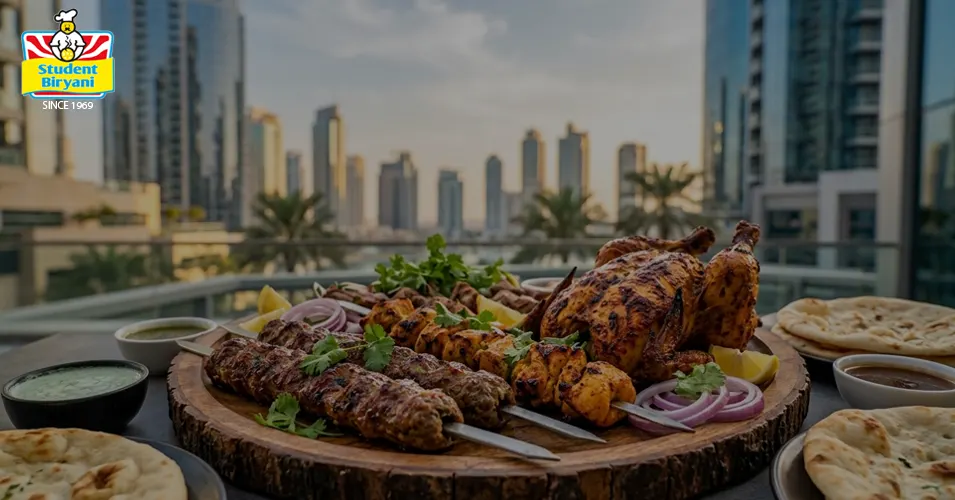
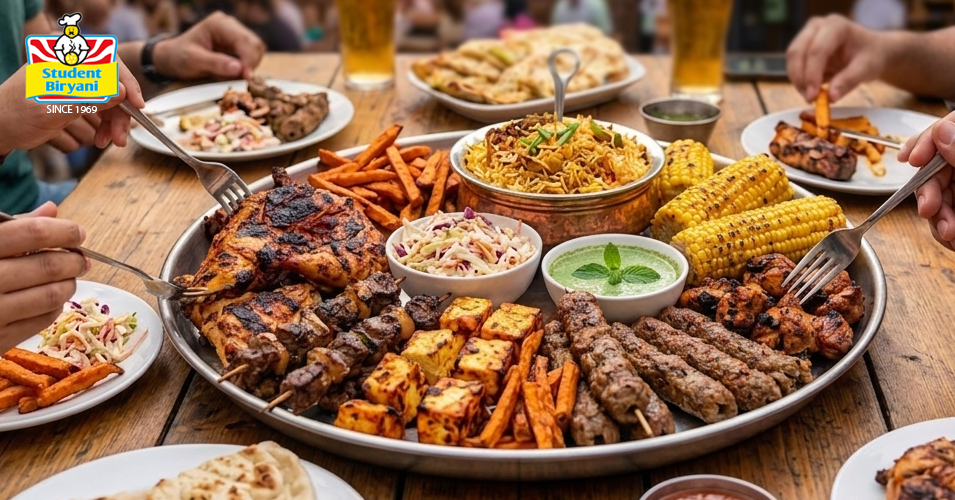
That is part of why BBQ platters work naturally in shared settings. Instead of dividing the table into separate meals too early, platters keep the food flexible. People adjust portions gradually, reach for different items over time, and continue eating without interrupting the flow of the gathering every few minutes.
The structure fits the behavior.
Why Variety Matters More in Group Meals
Most group tables do not agree on one type of meat or one style of grilling. Mixed platters solve that problem early by spreading different textures and spice levels across the same serving instead of forcing one decision across the entire table.
A few patterns appear repeatedly during shared meals:
- Different appetites settle differently
Some people eat heavily at the beginning, while others return to smaller portions throughout the meal. Variety keeps both comfortable without needing separate orders repeatedly. - Spice preferences rarely match exactly
One person may prefer stronger seekh kebabs while another leans toward lighter grilled chicken. Mixed platters reduce friction around those choices. - The table keeps moving
Shared platters allow food to circulate naturally instead of locking each person into a fixed serving from the start. - Ordering becomes simpler
Large groups spend less time negotiating individual combinations when the platter already covers multiple options.
The flexibility matters more than the quantity itself.
How BBQ Platters Change the Flow of Group Dining
Once a platter reaches the center of the table, the meal usually stops behaving like separate orders. Serving spoons disappear. People begin reaching across naturally, passing bread, shifting sauces, and picking different items at different times instead of eating in fixed order.
The pace slows down after that.
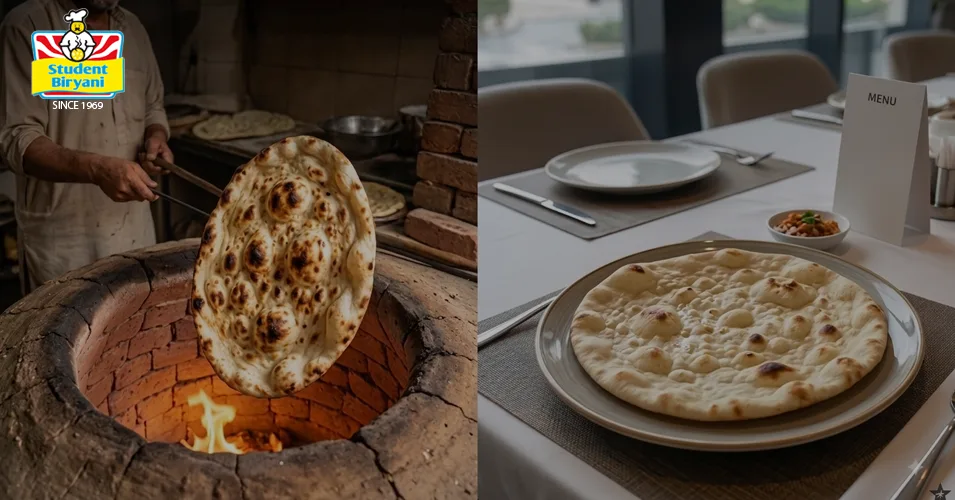
Some return to grilled chicken later in the meal once the heavier kebabs settle. Others keep rotating between rice, naan, and smaller grilled pieces instead of finishing one item completely before moving to the next.
That movement changes the atmosphere of the table without anyone planning it deliberately.
Platter-style serving also handles interruptions better than individually plated meals. New guests can join midway. Someone can pause eating and return later without the table feeling disrupted. The food remains accessible instead of divided too rigidly from the beginning.
You notice it most clearly during longer family dinners where people continue talking long after the first serving finishes.
Why BBQ Platters Work Better for Large Gatherings
Once the table gets large enough, individual orders usually stop moving smoothly. Someone is still waiting for kebabs while another table section already started eating. Extra bread keeps getting added midway, and people begin pulling plates closer together because the seating arrangement changed again.
Large gatherings rarely stay fixed for long.
During Eid dinners or weekend family visits, platters handle those shifts more naturally. Food stays in the center of the table instead of being divided too early, so people keep adjusting portions as conversations, seating, and appetites change around them.
Children move between chairs. Someone joins late. Another person starts eating slowly after everyone else already finished the first round.
The meal continues without needing to reorganize itself every few minutes.
That flexibility is one reason BBQ platters remain common during bigger gatherings. The structure leaves enough room for the table to behave naturally instead of forcing everyone into separate portions from the beginning.
Why BBQ Platters Continue to Stay Central in Shared Dining
BBQ platters remained part of shared dining culture because they match the way groups actually eat. The structure allows flexibility without making the table feel disorganized, and variety stays available without turning the meal into constant decision-making.
People settle into the food more naturally that way.
At Student Biryani, BBQ platters still follow that same shared-table logic; grilled items served centrally, portions adjusting gradually across the meal, and enough variety for groups to keep eating comfortably without forcing the table into one fixed pattern from the beginning.