Why BBQ Becomes Central During Eid al-Adha
Eid al-Adha meals rarely stay limited to one sitting. People arrive at different times, plates keep circulating, and the food usually needs to hold up through long conversations, repeated servings, and changing table arrangements throughout the day.
BBQ fits that rhythm naturally.
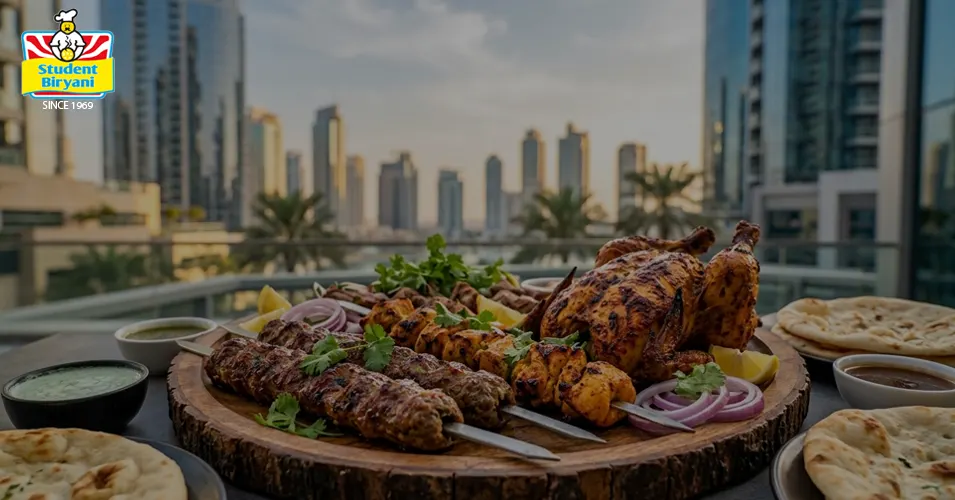
Grilled food can move in and out of the meal without interrupting it completely. Someone may start with seekh kebabs early in the afternoon, return later for grilled chops, then sit again near dinner once fresh batches come off the charcoal. The structure stays flexible enough for large gatherings where nobody eats at exactly the same pace.
That is one reason BBQ remains central during Eid meals across so many households.
BBQ Foods That Continue Appearing at Eid Gatherings
Some BBQ foods survive every Eid because they handle large gatherings without slowing the meal down too much. People can pick them up easily, return for more later, or eat smaller portions without feeling locked into one heavy serving immediately.
Seekh kebabs usually disappear first at crowded tables. They move quickly between people, especially when the gathering stretches across several hours and nobody wants to commit to one large plate too early.
Chicken tikka behaves differently. Families often keep grilling fresh batches through the evening because it works across mixed age groups without needing much adjustment once the spice level is balanced properly.
Grilled chops slow the table down a little. People eat them more deliberately, usually later in the gathering once the faster-moving items already circulated several times.
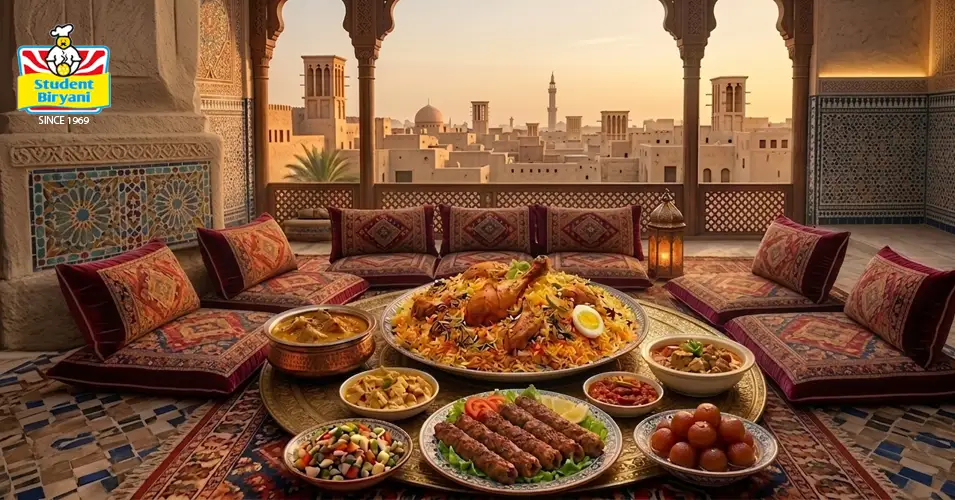
Then there are mixed platters. Once enough guests arrive, separate orders start becoming impractical anyway. Platters solve that quietly by keeping variety available in the center of the table instead of turning the meal into repeated decisions every few minutes.
Malai boti tends to settle into the background more softly, but during longer Eid meals, that lighter texture often matters more than stronger spice does.
How BBQ Foods Behave Differently at Large Eid Tables
At smaller dinners, grilled food usually arrives as part of the meal. During Eid gatherings, it often becomes the structure of the meal itself. Fresh batches keep appearing while older platters are still circulating, and people move between eating, talking, and serving without following a fixed sequence.
The table stays in motion for hours sometimes.
Some guests eat lightly early in the day, then return once another round of grilling starts outside. Others stay near the serving trays the entire evening, taking smaller portions repeatedly instead of building one large plate from the beginning.
That flexibility changes the atmosphere completely.
Grilled food also handles uneven timing better than many heavier dishes. Kebabs, tikka, and chops can keep circulating gradually without forcing the entire table to stop and restart every time new guests arrive. The gathering stretches naturally around the food instead of organizing itself too rigidly around one serving window.
You notice it most clearly once chairs start shifting and people stop sitting in the same places they started in.
Why Charcoal Grilling Continues to Matter During Eid
Charcoal grilling changes the pace of Eid cooking itself. The food does not appear all at once from the kitchen. It arrives gradually while people continue talking nearby, adjusting skewers, checking heat levels, or waiting for the next batch to finish.
The grill becomes part of the gathering.
That interaction is difficult to replace completely with indoor cooking because charcoal grilling naturally keeps people moving in and out of the meal instead of ending the process once the first serving reaches the table.
The cooking rhythm matters too.
Different meats finish at different speeds, so the meal keeps refreshing itself throughout the evening. Fresh seekh kebabs replace earlier platters, new tikka batches appear while bread continues circulating, and the gathering avoids settling into one fixed serving too early.
Even now, that slower grilling flow still feels closely tied to how many families experience Eid meals.
Why Certain BBQ Foods Keep Returning Every Eid
Some BBQ foods remain part of Eid al-Adha year after year because they fit the way large gatherings actually behave. They handle repeated serving well, circulate comfortably across crowded tables, and allow people to eat gradually without forcing the meal into strict timing or fixed portions.
The structure stays open instead of rigid.
At Student Biryani, Pakistani BBQ dining still follows much of that same shared-table rhythm during Eid gatherings; grilled food arriving in stages, platters adjusting naturally as groups expand, and meals continuing comfortably long after the first serving reaches the table.