Biryani Is Where Most People Start. It Isn’t Where Pakistani Food Stops.
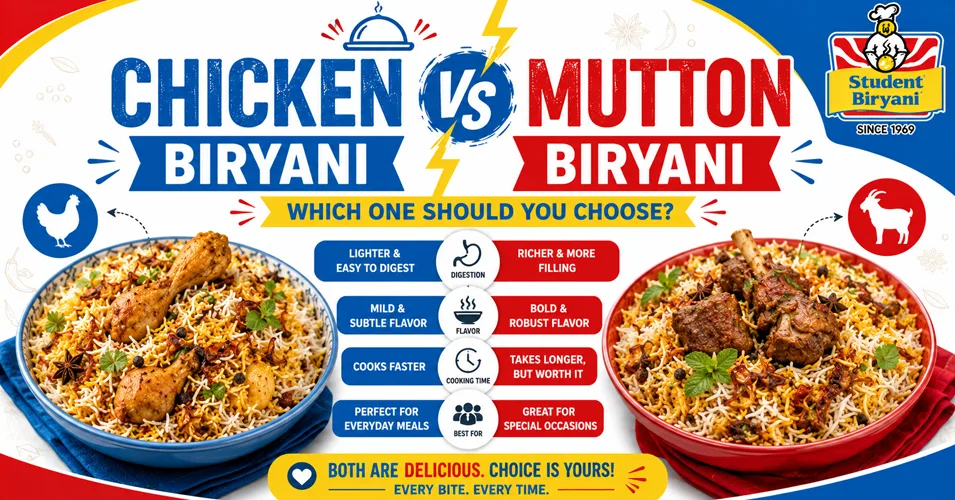
Ask a visitor in Dubai what Pakistani food tastes like, and the answer almost always starts with biryani. It’s the dish most likely to appear on a recommendation list, the one most often pointed out by a colleague or a driver or a hotel concierge. For a lot of people, biryani isn’t just the first Pakistani dish they try in the city. It’s the only one.
That’s not surprising. Biryani travels well as a recommendation because it’s easy to describe and easy to recognize, even for someone who has never had Pakistani food before. It photographs well, it’s available almost everywhere, and it doesn’t require much explanation before ordering.
What it doesn’t do is represent the full range of what Pakistani food actually looks like day to day. Visibility and representation aren’t the same thing, and a visitor who only orders biryani is sampling one entry point into a much wider food landscape rather than experiencing the whole of it. The broader case for why biryani doesn’t represent all of Pakistani cuisine goes deeper into this gap nationally. Here, the focus stays practical: what else is actually worth ordering in Dubai, and why.
Nihari and Haleem: The Dishes Locals Actually Grow Up On
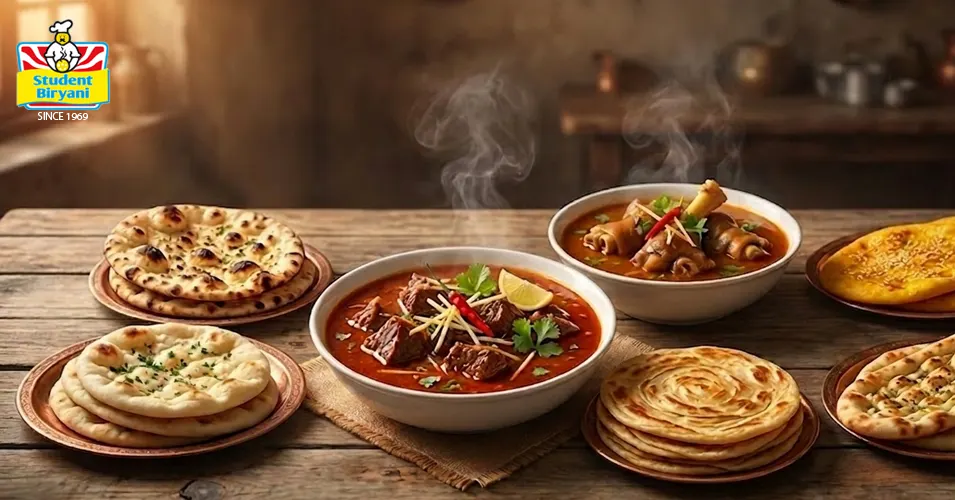
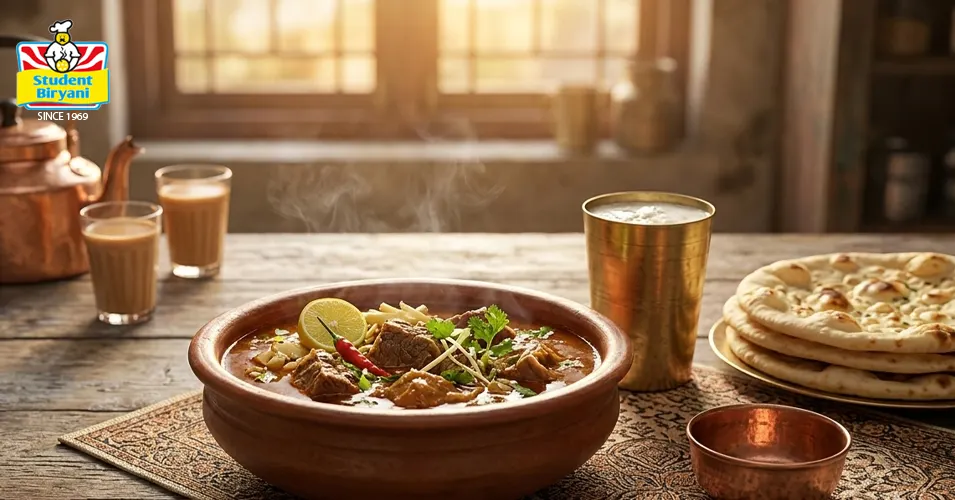
Nihari rarely makes a visitor’s first-order list, mostly because it doesn’t have biryani’s immediate visibility. It deserves a place on that list anyway, partly because of something that surprises a lot of newcomers: Nihari is often eaten for breakfast.
That timing alone says something about how central the dish is to everyday Pakistani eating. It isn’t a special-occasion food or a once-in-a-while order. It’s a regular morning meal for a lot of families, slow-cooked overnight so it’s ready by the time people sit down to eat. The texture is dense, the sauce has weight to it, and the first bite tends to surprise people who were expecting something closer to a standard curry. Why dishes like Nihari can’t be rushed explains the cooking mechanics behind that texture in more detail, but the practical takeaway for a first-timer is simpler: this is not a light dish, and it isn’t meant to be.
Haleem sits in similar territory. The texture is the first thing most newcomers notice — dense, almost porridge-like, with no individual ingredient clearly identifiable in the spoon. That’s intentional rather than a sign something went wrong in the kitchen. What actually goes into Haleem and why it takes the time it does covers the ingredient logic behind that texture, but on first taste, what matters is recognizing that Haleem isn’t trying to be a soup or a stew. It’s its own category entirely.
Both dishes reveal more about how Pakistani families actually eat than biryani does. Neither is a special-occasion dish reserved for guests. Both are regular, structural parts of how the week gets fed.
Karahi and BBQ: The Social Side of Pakistani Food
If Nihari and Haleem are the everyday dishes, karahi and BBQ are where Pakistani food in Dubai gets social.
Karahi rarely appears as a solo order. It’s built to be shared from a central dish at the table, which means the experience changes depending on who’s eating it with you. A karahi ordered for one person eaten quickly at a counter misses most of what makes the dish work. What actually separates karahi from other Pakistani curries explains the cooking method behind its character, but the practical note for a first-time visitor is about context rather than technique: this dish is better with company, ordered at a table, eaten slowly enough to actually taste what’s happening in the sauce.
Grilled items — seekh kabab, chicken tikka, malai boti — tend to be the most approachable entry point for someone newer to Pakistani food generally. They’re familiar in form even to someone who has never had Pakistani food before, since grilled meat on a skewer doesn’t require much translation. They also work well as a starting point precisely because they’re less intense than a heavy curry, giving a newcomer something recognizable to anchor the rest of the meal around.
Both categories reward eating with other people rather than alone. A solo order of karahi or a quick grab of kababs on the way somewhere isn’t wrong, exactly. It’s just missing the social context that these dishes were built around.
Beyond the Main Course: Sides, Bread, and Something Sweet
A visitor focused entirely on the main dish misses how a Pakistani meal actually comes together.
Naan and roti aren’t an afterthought ordered to fill out the table. They’re functional. A heavier curry or karahi is often eaten with bread rather than rice specifically because the bread does something the rice doesn’t — it scoops, it soaks, it changes the way the sauce reaches the plate. Skipping the bread on a dish meant to be eaten with it changes the experience more than most first-timers expect.
Raita, a simple yogurt-based side, plays a quieter but equally functional role. Against a richer curry or a heavily spiced karahi, raita offers a counterbalance, cooling the palate between bites rather than competing with the main dish for attention. A meal without it can feel one-note in a way that’s hard to identify until you’ve had a proper one with it.
Dessert tends to come at the very end and tends to be sweet in a different register than what many visitors expect. Something like kheer, a slow-cooked rice pudding, or zarda, a sweetened saffron rice, closes the meal on a note that’s gentle rather than rich. Neither needs much explanation on first taste. Both are worth trying at least once, even briefly, to understand how a Pakistani meal actually closes rather than simply stops.
None of this is essential in the way the main dishes are. But a meal that includes the bread, the side, and a small taste of something sweet at the end is a more complete picture of how the cuisine actually functions than the main course alone.
Where to Actually Start
None of this requires restaurant-hopping across the city. It requires finding one place with enough range to move past biryani into the dishes that actually represent how Pakistani food works day to day — the slow-cooked, the shared, the everyday.
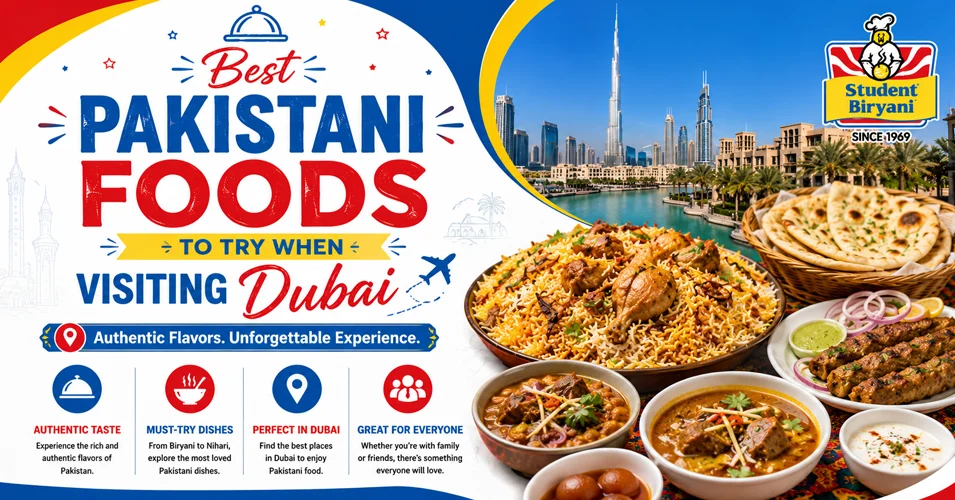
Student Biryani’s Al Karama branch carries that range under one roof. Biryani is there, since it’s still a genuinely good dish and a fair starting point for anyone new to the cuisine. But so is Nihari, so is Haleem, so is karahi, and so are the grilled items that make for an easier first taste. For a visitor trying to understand Pakistani food properly rather than just sampling its most famous export, Student Biryani’s Al Karama branch in Dubai is a practical place to start that full range in one visit.
Biryani earned its recognition honestly. It’s a genuinely good dish, and there’s no reason to skip it. But recognition and representation aren’t the same thing, and the dishes that actually define how Pakistani families eat day to day are mostly the ones nobody mentioned before you arrived.