The Meal Matters More Than the Occasion
Most birthday dinners at restaurants follow the same pattern. A table gets booked, everyone arrives, menus get opened, and each person orders something different. The food is fine. But somewhere between the main course and the cake, the meal starts feeling like any other Tuesday night dinner.
The occasion didn’t fail. The format did.
What makes a birthday dinner feel like a celebration has less to do with what’s on the plate and more to do with how the table eats together. Separate plates create separate experiences. Everyone is eating, but not eating together. The conversation has to work harder to hold the table because the food isn’t doing any of that work.
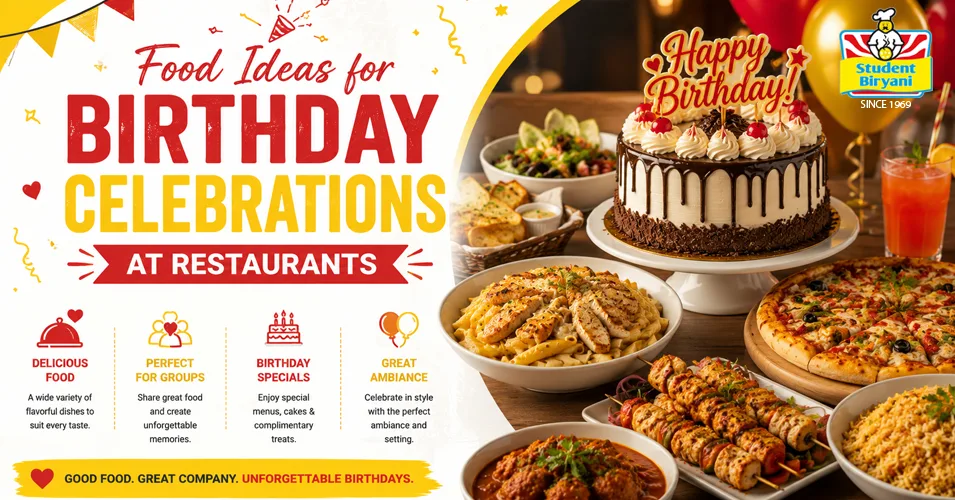
A shared table changes the role of the food. Instead of arriving as individual portions, the meal becomes something people serve from together, reach for repeatedly, and experience as a group.
Why Shared Dishes Work Better Than Individual Plates
The difference between a shared table and a parallel one shows up in the pacing first.
Shared dishes keep a table eating together. Nobody finishes twenty minutes before everyone else. Nobody sits with an empty plate watching someone across the table still working through their meal. The group stays in the same place in the meal, and that shared rhythm keeps conversation moving in a way that individual plates rarely sustain on their own.
Some of the interaction at a shared table comes from the food itself. People pass dishes, serve one another, and react to what others are eating. Separate meals remove much of that activity, which can make the table feel less connected over time.
Shared dishes also give people flexibility without awkwardness. Someone who wants more rice takes more. Someone who prefers the curry adjusts without flagging it or waiting for a separate order. The meal accommodates the group rather than requiring the group to accommodate it.
For anyone thinking about which dishes suit this format best, why karahi and handi work well at a shared table connects directly to the cooking logic behind both dishes and why they’re built for serving from rather than portioning individually.
What Pakistani Food Does Well at a Celebration Table
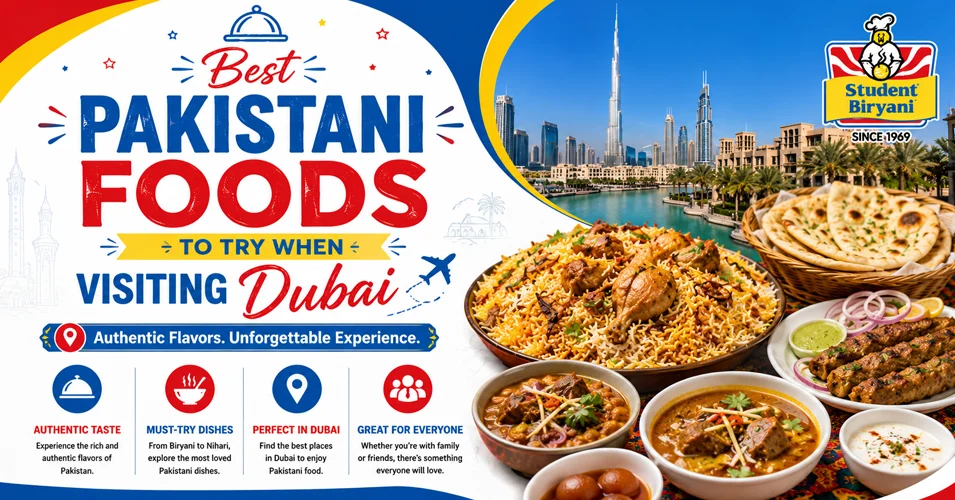
Pakistani food arrives at the table the way a birthday group needs it to. Large dishes in the center, rice and curries served together, everyone eating from the same spread. That is not an adaptation for the occasion. It is the default.
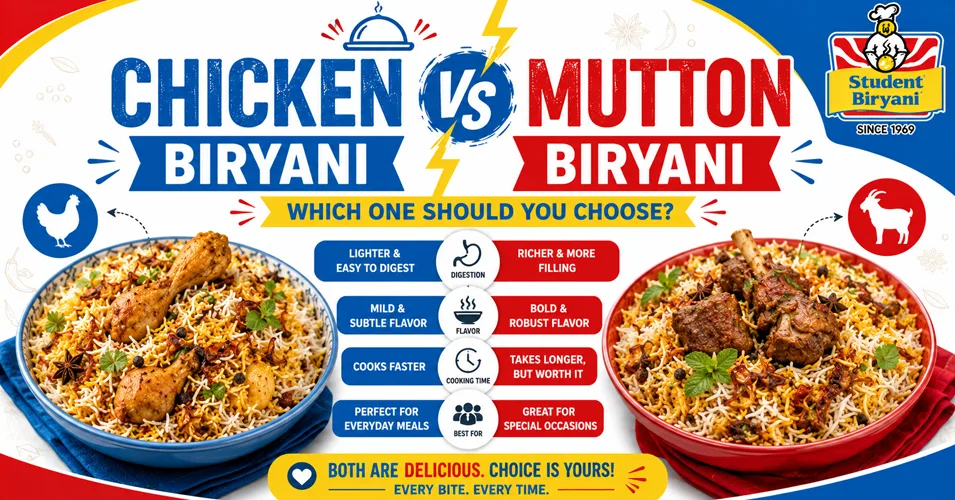
Biryani anchors the table. A large serving dish often becomes part of the table itself. People reach toward it, serve from it, and return to it throughout the meal. Individual plates rarely create the same sense of shared participation. The cultural weight behind that role runs deeper than most menus suggest.Why biryani became the centerpiece dish in Pakistani food culture gets into that history directly.
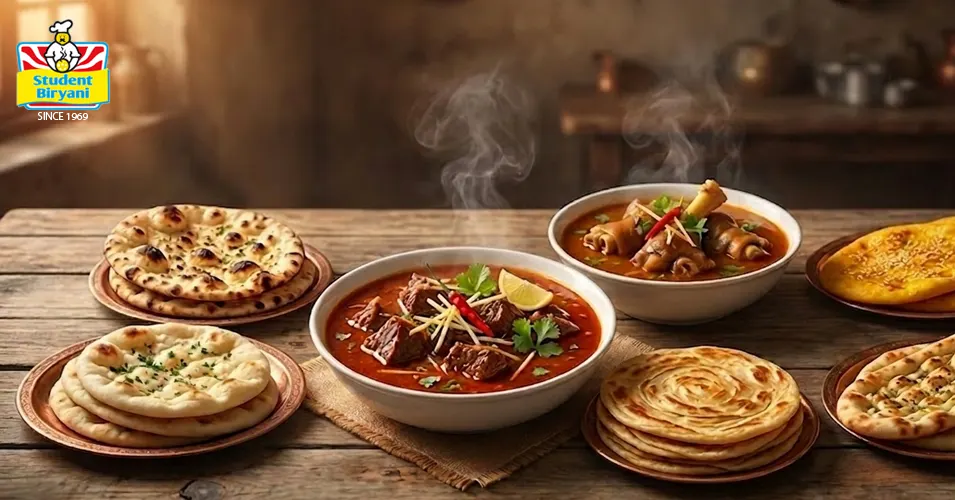
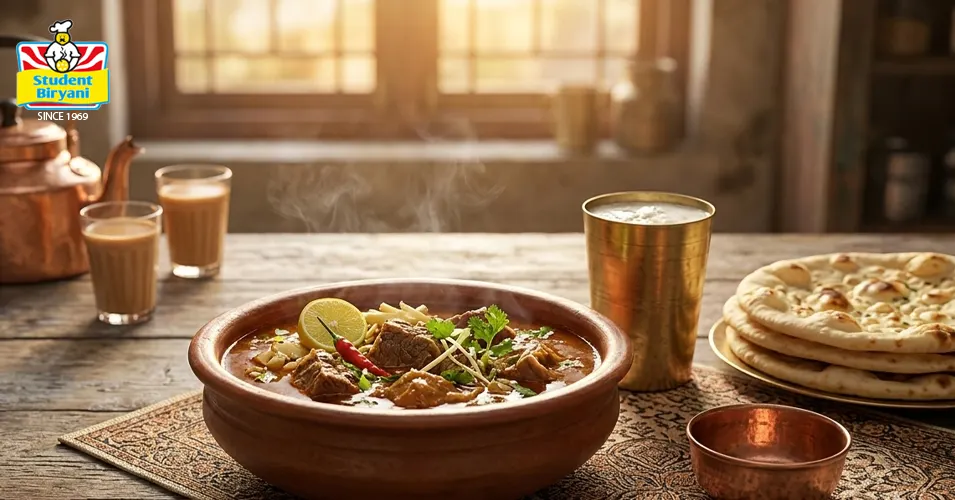
A karahi or curry dish alongside it adds variety without complicating the order. Two or three shared dishes around a central rice dish creates a complete spread. People eat what they want in the proportions they want, and nobody had to negotiate ten separate preferences to get there.
That combination is also forgiving when a group has mixed appetites. It doesn’t require the person organizing to know exactly what everyone will feel like eating. It requires getting the format right, and the format does the rest.
Portion Planning for a Group That Keeps Growing
Birthday headcounts are rarely fixed. Someone mentions the dinner to a friend. A plus-one becomes assumed. The table booked for eight ends up feeding ten.
Planning to an exact number is an optimistic exercise. A more useful approach treats the centerpiece dish and the accompaniment dishes as separate problems.
When planning a shared meal, the centerpiece usually needs the largest buffer. Guests notice an empty biryani pot long before they notice an extra serving left at the end of the meal. Curry and karahi dishes play a supporting role, so they rarely need the same margin. Most groups naturally balance the meal around the rice rather than around the accompaniments.
Bread handles the unexpected. If the table is eating more than anticipated, adding bread extends the meal without requiring a new main dish order. It is a quieter adjustment than flagging a shortage to the server mid-celebration.
Drinks and sides follow the same principle. A birthday group lingers. Ordering slightly ahead of expected consumption is less disruptive than realizing the table has run dry halfway through. How portion planning works differently for office group dining follows similar logic, though the variables shift when the occasion changes.
Making the Restaurant Choice Work for the Occasion
The food format only holds if the restaurant supports it.
A table too small for shared dishes at the center pushes the food to the edges and breaks the format before anyone has taken a bite. A menu built around individual plates makes shared ordering difficult to execute. Dishes arriving twenty minutes apart mean half the table finishes before the other half has properly started and the shared pace that makes group dining work disappears with it.
Three things are worth checking before booking. Whether the table has enough surface space to hold shared dishes centrally. Whether the menu includes large-format options designed for group serving rather than individual portions. Whether the kitchen sends main dishes out together rather than staggered.
Student Biryani’s branches across Dubai, Abu Dhabi, Sharjah, and Ajman are built around this format by default. Large biryani portions, karahi and curry dishes designed for a shared table, and a menu structure that doesn’t require special arrangements to eat as a group. Find your nearest Student Biryani branch and confirm the table before the date rather than on the night.
The birthday provides the reason to gather. How the table eats together determines what gathering actually feels like.