Office Catering Is Not the Same Problem as Party Catering
Most office party food decisions get made the same way. Whoever ended up responsible for organizing sends a message to the group, gets three responses, defaults to something familiar, and places an order. The food arrives, people eat, and the obligation is fulfilled.
That approach produces catering that fulfills the brief without actually working for the group.
The mistake is treating office catering as a simplified version of party catering. Same problem, smaller budget, less pressure. It isn’t. A workplace group eating together operates under constraints that a social group doesn’t. Time is limited and rarely flexible. Comfort levels between colleagues vary more than they do between friends. The setting doesn’t naturally encourage the kind of relaxed eating that makes shared food feel easy. Food that ignores those conditions creates friction rather than reducing it, regardless of how good it tastes.
How shared dish format works differently when the occasion shifts from celebration to workplace dining matters here more than most catering decisions account for. The format has to fit where the meal is happening, not just who is eating it.
What a Workplace Group Actually Needs From Food
A workplace group is not a social group that happens to be in an office. The conditions are different, and the food format needs to reflect that.
Time is the first constraint. Office meals slot into gaps in the working day. Lunch has an end point. An after-work gathering has people who need to leave at specific times. Food that takes long to serve, requires assembly, or arrives in stages creates pressure that a relaxed social dinner absorbs without noticing.
Dietary requirements in UAE workplaces are genuinely varied. A mixed office may include people with halal requirements, vegetarian preferences, and different appetite levels across the same table. Food that requires a separate order for each variation adds complexity to an already logistically compressed situation.
Social comfort is the constraint that gets overlooked most often. Not every office group knows each other well enough to reach across a table for shared food without hesitation. A format that requires that comfort level to work smoothly will produce awkward moments in a workplace that wouldn’t appear at a friend’s dinner table. The food format has to accommodate the actual social temperature of the group, not the ideal version of it.
Practicality matters too. Food that produces significant mess, requires complex serving equipment, or doesn’t hold well if the timing shifts slightly creates problems in a workplace setting that it wouldn’t create at a casual gathering. How portion planning for a group works when headcount is variable adds another layer here. Office headcounts shift more unpredictably than social ones, and the food format needs to absorb that without requiring a reorder.
Why Pakistani Food Handles Office Catering Better Than Most Alternatives
Pakistani food solves several office catering problems at the same time, which is not something most default catering options do.
The large-format dish structure handles varied appetites without individual portioning decisions. A large biryani or karahi arrives ready to serve. People take what they want in the amounts they want. Nobody had to specify their portion in advance, and nobody has to wait for an individual plate to be assembled. The serving happens at the table rather than in the kitchen, which removes a logistical step from the restaurant’s side and a waiting period from the group’s.
Rice-centered meals simplify the service further. A central rice dish with accompaniments alongside it means the meal arrives in a small number of dishes rather than a large number of individual plates. Less to coordinate, less to space across a table, less to manage if one dish arrives slightly ahead of another.
Halal certification across Pakistani restaurant menus removes one layer of dietary accommodation complexity in UAE workplaces. It doesn’t resolve every dietary requirement in a mixed office, but it reduces the number of people for whom the food is immediately unsuitable without a separate order. That matters when the person organizing the catering is already managing enough variables.
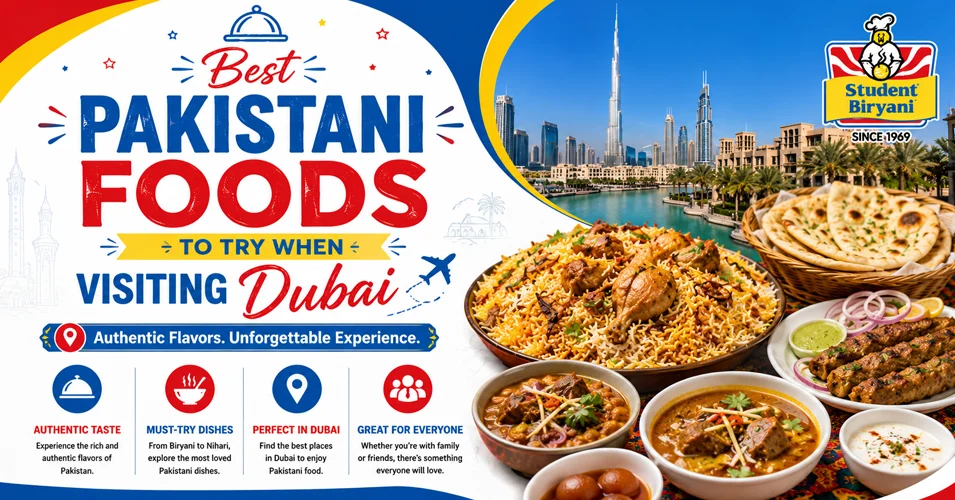
The variety within a standard Pakistani spread handles mixed preferences without requiring a separate menu. A table with biryani, a karahi, and a vegetable dish covers a range of preferences without anyone having to request something different. Why Haleem’s composition makes it suited to large-group serving takes this further. Its self-contained format and boneless structure make it one of the more practical additions to an office catering order.
Which Dishes Work and Why
The dishes that work best for office catering are not always the most popular ones. They are the ones whose format holds up under workplace conditions.
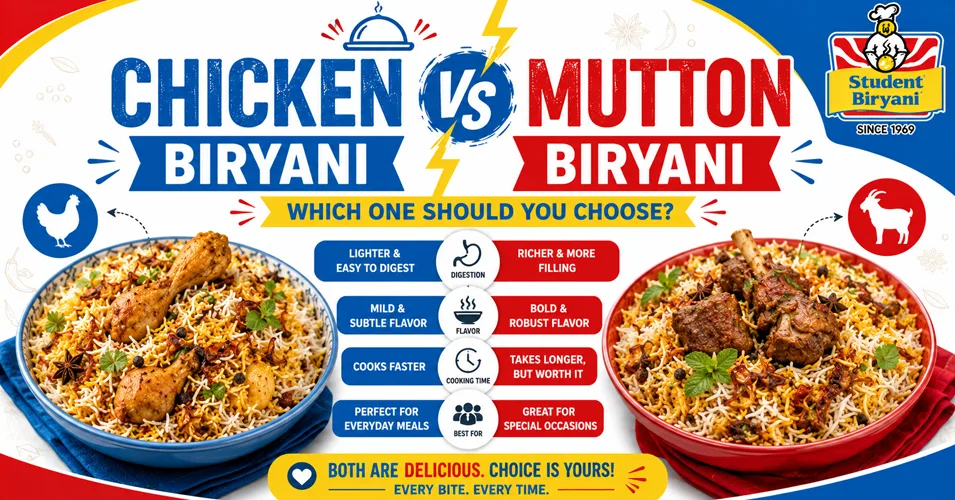
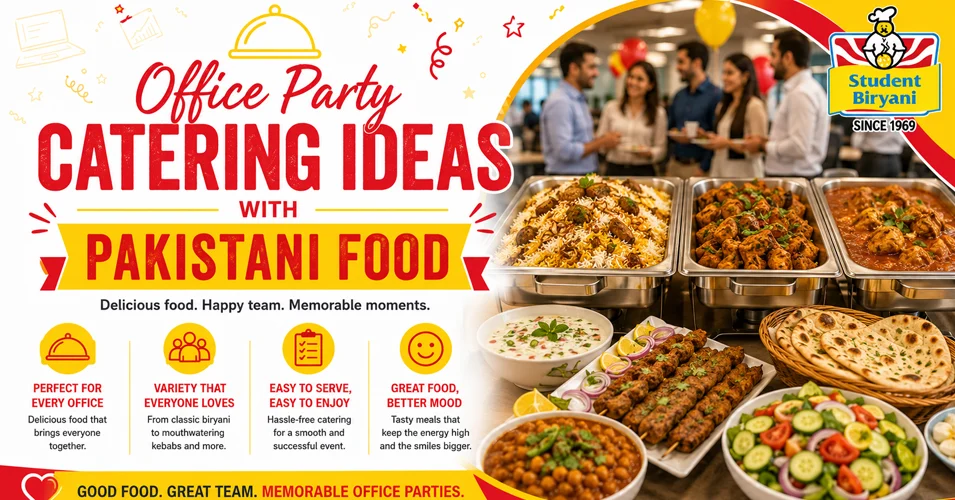
Biryani is the natural centerpiece for the same reason it works at a birthday table. It arrives as a single large dish, feeds a group without individual portioning, and holds its temperature reasonably well across a serving period. For an office group, that last quality matters more than it does at a social dinner where everyone sits down at the same time. Biryani served at noon is still serviceable at twelve-thirty when the last person gets to the table.
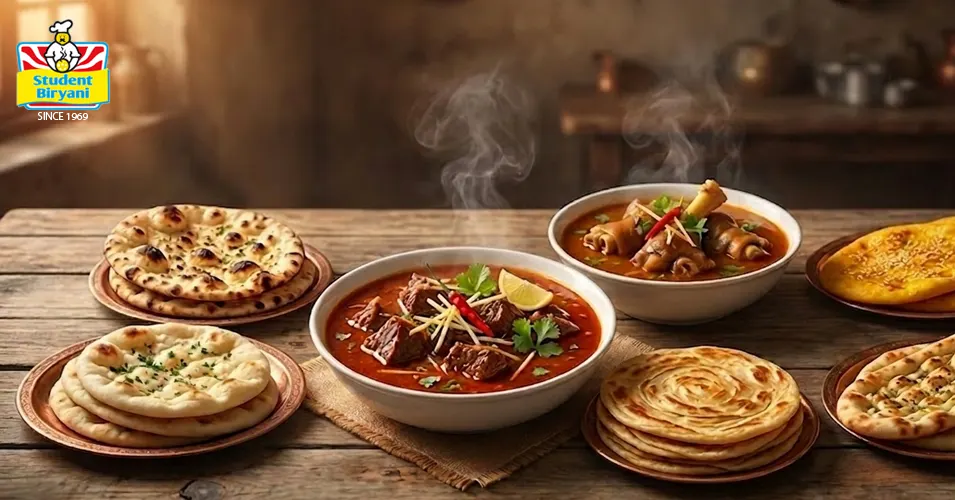
Karahi works well as the accompaniment layer. The cooking format produces a dish designed to be served from a central vessel rather than portioned in advance. Why karahi’s cooking format suits large group serving comes down to the open vessel and the way the dish stays consistent from the first serving to the last, without a sauce that separates or a texture that degrades quickly.
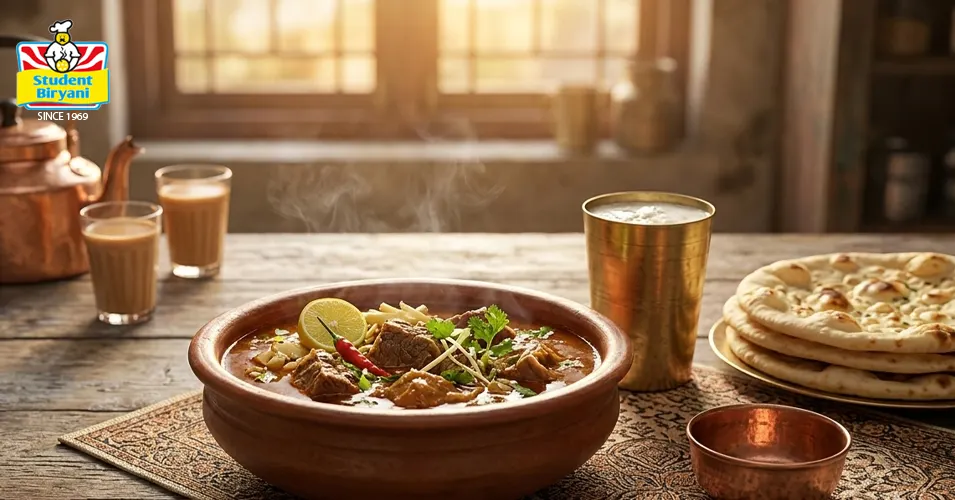
Haleem is worth considering for smaller offices or as an addition to a larger spread. It has no bones, which removes the practical difficulty that some meat dishes create in a workplace setting. It serves cleanly from a single pot, holds well across a longer serving window, and works as a standalone dish for people who want something other than rice without requiring a separate menu entirely.
What tends not to work for office catering is worth noting briefly. Dishes that require significant table space to serve, produce bones or shells as byproduct, or depend on being eaten immediately after plating create friction that the workplace context amplifies. The food should arrive and disappear without drawing attention to the mechanics of eating it.
Ordering for an Office Group Without Getting It Wrong
The food decision is only part of office catering. How the order is placed and what information the restaurant receives determines whether the format holds together on the day.
Timing the order matters more in a workplace context than it does for a social gathering. Office schedules don’t absorb late arrivals the way a relaxed dinner does. Placing the order at least a day in advance, confirming the arrival window rather than just the delivery time, and building in a buffer between when the food arrives and when the group is expected to eat removes the most common pressure point in office catering.
The restaurant needs specific information to execute a group order correctly. Headcount, arrival time, whether the food will be eaten on-site or requires packaging that holds across a short journey, and whether the table setup supports shared serving or requires individual portions. A restaurant that understands the context can make decisions that a restaurant given only a dish list cannot.
Student Biryani handles group catering orders across Dubai, Abu Dhabi, Sharjah, and Ajman with the format already built into the menu. Large biryani portions, karahi and curry dishes designed for shared serving, and a catering structure that doesn’t require the organizer to manage individual plate decisions. Explore Student Biryani’s catering options before the next office event rather than defaulting to whatever gets ordered fastest under pressure.
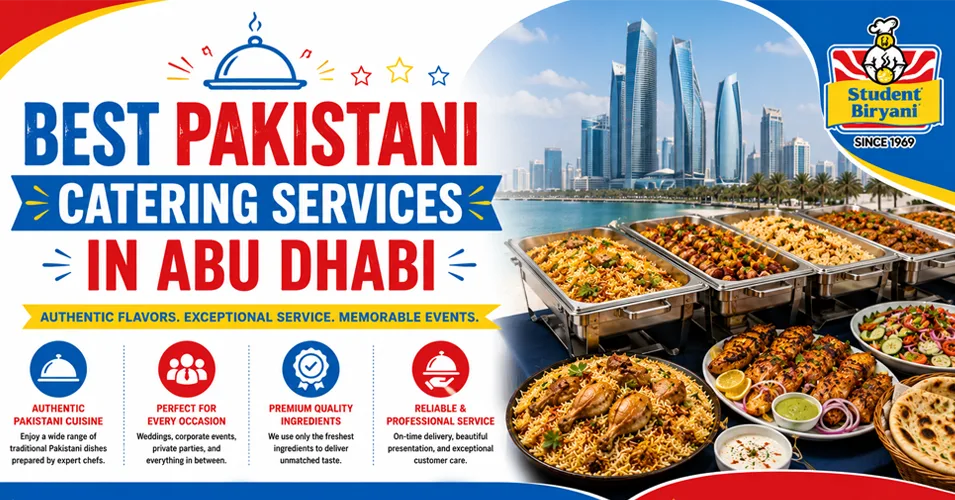
For offices based specifically in Abu Dhabi, what to look for in a Pakistani catering service in Abu Dhabi covers the local variables in more detail.
Good office catering doesn’t get noticed. The food arrives, the group eats, the meal fits the time available, and nobody had to solve a problem at the table. That absence of friction is what the format is actually trying to produce.