Why Pakistani Cuisine Is Often Reduced to Biryani
Mention Pakistani food and biryani rarely stays out of the conversation for long.
That is not surprising.
For millions of diners, biryani is the first Pakistani dish they ever order. Sometimes it is the only one they know by name before they even look at a menu.
Biryani did not become familiar by accident.
First impressions tend to stay longer than they should. Once people associate Pakistani food with biryani, everything else starts sitting in the background.
Biryani deserves its reputation.
The assumption that it explains the entire cuisine is where things become less accurate.
The Dishes That Help Define Pakistani Cuisine
The first dish after biryani is often where the picture starts changing.
Someone expecting every Pakistani meal to follow the same pattern usually discovers otherwise quite quickly.
Nihari is a good example. For some people, it is associated with mornings in a way biryani never is. The dish belongs to a different rhythm of eating altogether.
Haleem creates a different impression.
It is difficult to think about Haleem without thinking about sharing. Large servings, family gatherings, community events, and long conversations often become part of the memory alongside the food itself.
Karahi changes the experience again.
A Karahi arriving at the table often feels less like an individual order and more like the center of a shared meal. The experience is built around people eating together rather than eating separately.
The differences are obvious.
The more interesting detail is where these foods fit into everyday routines.
The assumption that Pakistani food can be understood through one familiar dish becomes harder to maintain once those differences start appearing.
What These Foods Reveal About Pakistani Cooking
At first glance, these foods do not seem to have much in common.
Some are linked to breakfast. Others appear during gatherings or shared meals. The occasions change, the presentation changes, and sometimes even the pace of eating changes.
Looking at the meals together reveals a few recurring habits.
Time plays a larger role than many first-time diners expect.
Many traditional Pakistani foods are not built around speed. They rely on time, whether that means allowing flavors to develop gradually, preparing food for larger groups, or treating a meal as something that unfolds over hours rather than minutes.
Meals are rarely treated as individual experiences.
A surprising number of Pakistani meals are designed with the table in mind rather than the individual plate. The food matters, but so does the expectation that people will eat together, serve one another, and remain seated long after the first serving has disappeared.
Preparation often follows the same logic.
Recipes may differ, yet the underlying approach often values process over shortcuts. The meal is expected to take time. The gathering is expected to take time. Even the conversation surrounding the food is rarely rushed.
The approach often reveals as much about Pakistani food as the dishes themselves.
Why Regional Diversity Matters More Than Many People Realize
A person who only knows Pakistani food through biryani is seeing a very small part of the picture.
The next few meals usually change that impression.
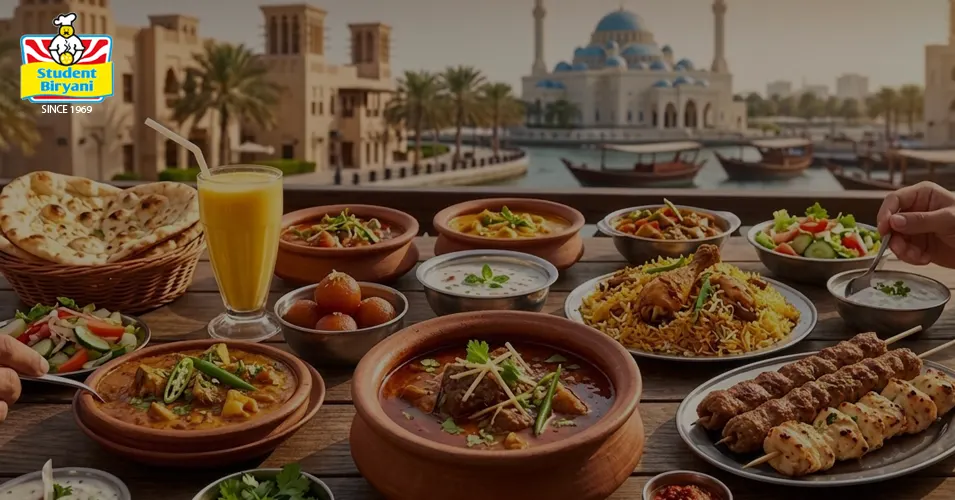
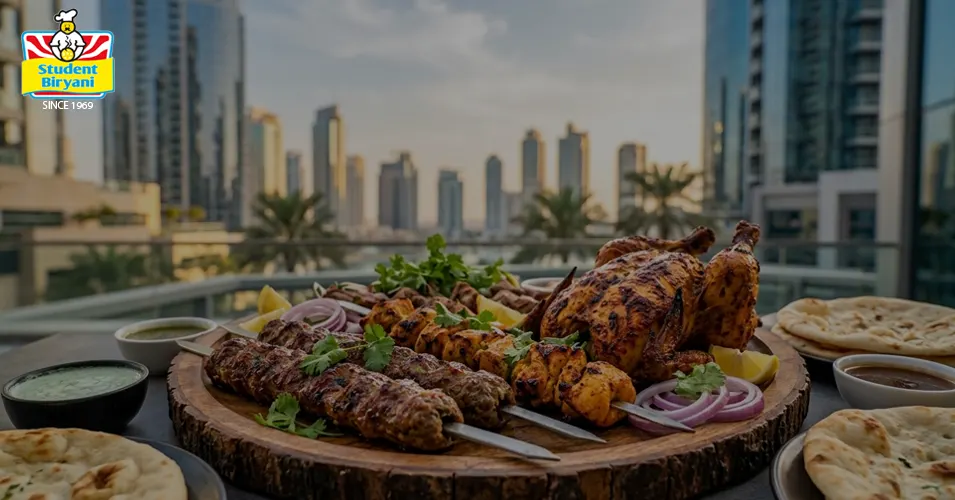
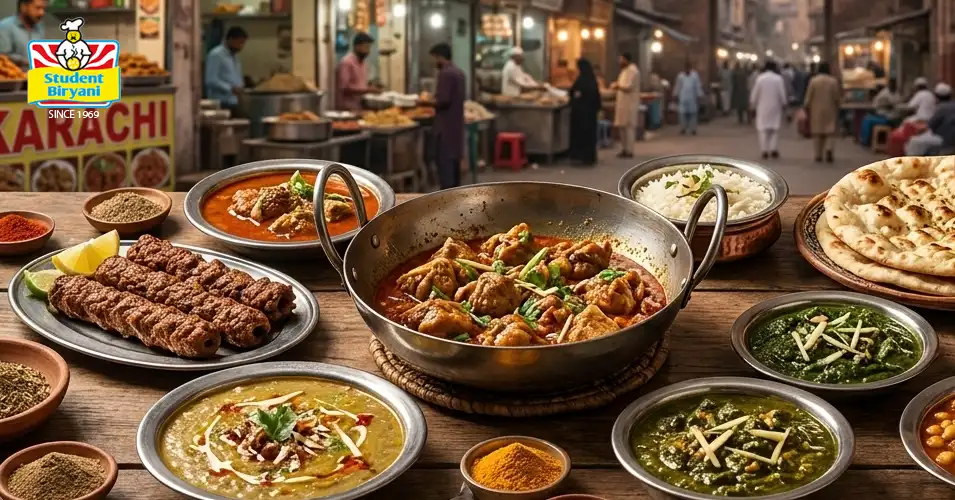
Nihari, Paya, Haleem, Karahi, and Pakistani BBQ do not feel like variations of the same meal. They belong to different traditions, appear on different occasions, and create completely different dining experiences.
A few more meals usually complicate the story further.
Some families grow up with foods that rarely appear outside their own communities. Certain dishes remain closely tied to local traditions, celebrations, and everyday routines that visitors may never encounter during a short introduction to Pakistani food.
Biryani as a famous rice dish still deserves its place.
One familiar dish can easily create the impression that the rest of the cuisine follows a similar pattern. A few additional meals are often enough to show otherwise.
The further someone explores Pakistani food, the less likely they are to describe it through a single dish.
Looking Beyond Biryani Changes How People See Pakistani Food
Biryani remains one of the easiest ways to discover Pakistani food.
The first impression rarely remains unchanged.
A few additional meals are often enough to change the original impression. What first appeared to be a cuisine built around a single famous dish gradually reveals a collection of different food traditions, dining habits, and shared experiences.
Most people do not notice the shift after a single meal.
It usually arrives meal by meal, gathering by gathering, conversation by conversation.
At some point, biryani stops feeling like the definition of Pakistani food.
It becomes what it was probably meant to be from the beginning:
an introduction.